
HALOS 2026
Frontline Worker Safety Report
Not Part of the Job
Independent research from 2,500 frontline workers across the UK and US reveals that customer abuse is no longer a rare workplace incident. It has become part of the job. For employers, itʼs a growing workforce challenge they cannot afford to ignore.

Key Findings
The workforce warning signs
On both sides of the Atlantic, customer abuse is putting pressure on frontline teams across industries, with clear consequences for employee wellbeing, performance and retention.
Experienced abuse, or know a colleague who has, in a typical four-week period
Report increased stress or anxiety due to customer abuse
Have considered quitting their job because of customer abuse
Receive any follow-up after reporting a serious incident to their employer
Say customer abuse is treated as “just part of the job”
Say visible safety measures like body cameras deter abusive behaviour
“I had a customer who was verbally abusive and threatened physical violence against me. Reporting this to my manager, I was advised that I should have just apologised and moved on.”
Survey respondent, April 2026
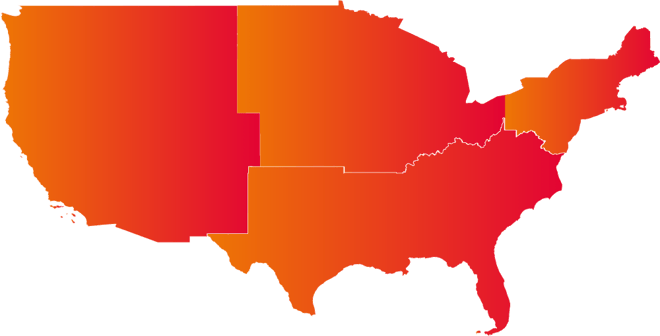
Regional Breakdown
UK | US
Customer abuse may look different from one workplace to the next, but the pattern is consistent wherever you look. In both the UK and US, its impact extends beyond the incident itself and into the wider employee experience.
What workers say
Customer abuse is affecting workers before, during and after their shifts, increasing anxiety, disrupting sleep and changing how people interact with the public.

Say customer abuse has caused stress or anxiety
Feel anxious before starting a shift due to the possibility of aggressive customers
Struggle to reset after an abusive incident
Say abuse has disrupted their sleep
Say abuse has knocked their confidence
Have become more cautious or avoidant with customers
What workers say
Customer aggression is putting pressure on frontline teams, with consequences for job satisfaction, absence, employer trust and workplace stability.
Say customer aggression has increased over the past 12 months
Report lower job satisfaction
Say their employer treats customer aggression as “just part of the job”
Have taken time off, or know a colleague who has, because of abuse
Say abuse or aggression has increased stress or anxiety
Agree that reporting abuse leads to meaningful action
The Reporting Gap
Policies exist. Follow-through doesn't.
Most employees we surveyed have reporting processes in place. Yet few workers believe those processes lead to anything real.
Processes in place
rof workers say their employer has clear reporting protocols
Follow-up actually received
receive any update after reporting a serious incident
The employer action plan
Go beyond the headline findings to understand what customer abuse means for frontline employers. The report includes sector-specific data, a regional data breakdown and a practical self-assessment framework to help organisations review their approach to worker safety.