
More than 7,600 attacks on healthcare settings were reported globally between 2015 and 2024. That number alone says a lot. Hospitals are meant to be places of care, yet for many professionals, they are becoming environments where safety feels uncertain.
The World Health Organization defines attacks on healthcare as more than just physical harm. It includes verbal abuse, threats, and any obstruction that disrupts patient care or access to treatment. In simple terms, even moments that do not leave visible damage can still have serious consequences.
If you think about a typical emergency room or a mental health unit, the pressure is constant. Emotions run high. Patients and families are often distressed. In these situations, even a small trigger can escalate quickly.
Now add staff shortages, long shifts, and the expectation to stay calm under all circumstances. It is not just about handling patients anymore. It is about managing risk in real time.
Then comes another layer. Documentation. Every incident needs to be recorded clearly and accurately. But when situations unfold quickly, details can be missed. And those gaps can lead to disputes, compliance issues, or even legal complications.
Healthcare providers are not just asking how to respond to incidents. They are asking how to prevent them, document them better, and protect their teams at the same time.
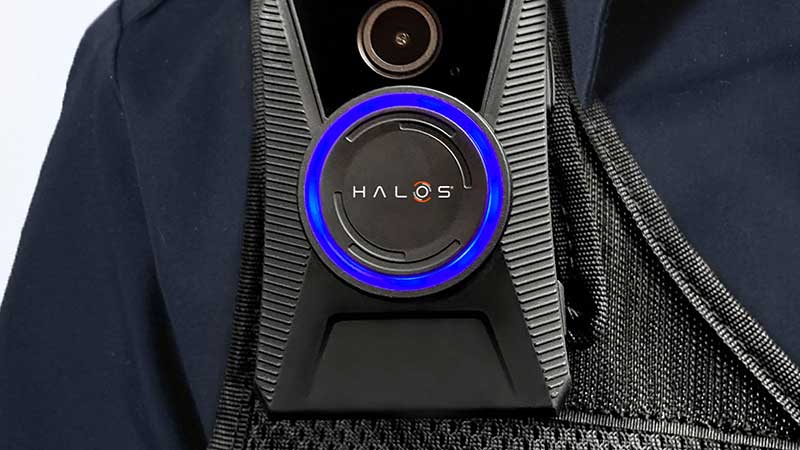
Body cameras, already widely used in security and law enforcement, are now finding their place in healthcare settings. Adoption is growing across systems like the National Health Service in the UK and the Health Service Executive in Ireland, where the focus on staff safety and accountability continues to intensify.
Body cameras are now entering that conversation for a reason.
TL; DR
- Body cameras in healthcare help reduce aggressive incidents by acting as a visible deterrent in high-risk environments.
- They improve accountability by providing unbiased video evidence during disputes, complaints, or investigations.
- Real-time recording enhances incident documentation, making reports more accurate and useful for legal and training purposes.
- The presence of body cameras supports staff well-being by offering reassurance and reducing stress in challenging situations.
- As adoption grows across systems like the National Health Service and the Health Service Executive, body cameras are becoming a key part of modern healthcare safety strategies.
How Body Cameras Are Transforming Healthcare Safety
Healthcare environments are becoming more complex, with rising safety concerns, stricter compliance requirements, and increasing pressure on staff. Body cameras are emerging as a practical solution that supports not just security, but also accountability, documentation, and overall staff well-being.
Addressing Safety Concerns in Healthcare
Healthcare professionals, particularly those in emergency departments and mental health units, often face challenging and sometimes volatile situations. Body cameras for healthcare serve as a deterrent against aggression and violence, providing an extra layer of protection for staff. In fact, trials conducted within NHS Trusts have demonstrated that the presence of body cameras can reduce the number of aggressive incidents, helping to foster a safer working environment.
Enhancing Compliance and Accountability
Healthcare institutions are bound by stringent regulations to ensure high standards of patient care and staff well-being. NHS body cameras support compliance with legal and ethical standards by providing an unbiased, tamper-proof record of interactions. This is particularly useful in cases of disputes or complaints, where video footage can offer a factual account of events, ensuring transparency and accountability.
Pro Tip: Ensure your body camera policy clearly defines when recording should start and stop, who can access footage, and how long it is stored. Clear internal guidelines not only strengthen compliance but also build trust among staff and patients.
.webp?width=760&height=397&name=38%20(1).webp)
Improving Incident Documentation and Training
Accurate documentation is vital in healthcare to support investigations, legal proceedings, and staff training. Body cameras provide real-time recordings that help capture crucial details often missed in written reports. By reviewing footage, healthcare teams can analyze incidents, identify areas for improvement, and enhance training programs to better prepare staff for real-world challenges.
Supporting Staff Well-Being
The mental and emotional toll on healthcare professionals working in high-pressure environments is significant. Knowing that their interactions are recorded and can be reviewed in case of disputes or aggression offers peace of mind and reassurance. This can lead to improved staff morale and reduced stress levels, contributing to overall workplace well-being.
A Future of Safer Healthcare
- Growing Integration Of Body Cameras: Body cameras are becoming a more common part of healthcare environments, supporting daily operations and improving how incidents are managed.
- Stronger Focus On Safety And Compliance: These devices help healthcare providers maintain high standards by ensuring interactions are recorded accurately and aligned with regulatory requirements.
- Enhanced Training And Learning Opportunities: Recorded footage can be used to review real situations, helping teams identify gaps, improve responses, and strengthen staff training programs.
- Improved Protection For Staff And Patients: Healthcare professionals within systems like the National Health Service and the Health Service Executive are increasingly benefiting from added layers of security and reassurance.
- Shift Toward Proactive Safety Strategies: Healthcare institutions are moving beyond reactive measures by using body cameras as part of a broader approach to prevent incidents and improve transparency.
- Building A More Transparent Care Environment: By integrating body cameras into everyday workflows, organizations can create a culture of accountability and trust for both staff and patients.
Conclusion
Healthcare environments are changing, and the risks are becoming harder to ignore. Relying only on traditional safety measures is no longer enough when situations can escalate in seconds and accountability matters more than ever.
The real question is not whether safety needs to improve. It is how quickly you are willing to act on it.
Body cameras give healthcare teams something they have often lacked in critical moments: clarity, confidence, and control. They help teams handle difficult situations with more assurance, while also strengthening trust across the organization.
If safety, accountability, and staff confidence are priorities for your facility, this is the kind of solution worth serious consideration.
Book a demo with HALOS to see how body cameras can support your healthcare team.
Frequently Asked Questions
Are body cameras allowed in healthcare settings?
Yes, body cameras can be used in healthcare settings, but their use must comply with local data protection and privacy regulations. Policies around consent, data storage, and access need to be clearly defined before implementation.
How is patient privacy protected when using body cameras?
Healthcare providers typically follow strict protocols such as informing patients, limiting recording in sensitive situations, and securely storing footage. Many systems also include features like encryption and restricted access to protect patient data.
Can body camera footage be used in legal proceedings?
Yes, recorded footage can be used as evidence in legal cases or internal investigations. It provides an objective record of events, which can help resolve disputes more efficiently and accurately.
What Features Should Healthcare Providers Look For In Body Cameras?
- Secure data storage: Protects footage with encryption and controlled access.
- Easy evidence management: Simplifies uploading and retrieval of recordings.
- High-quality video: Ensures clear and usable footage for review.
- Long battery life: Supports full shifts without interruptions.
- Regulatory compliance: Meets healthcare privacy and data protection standards.