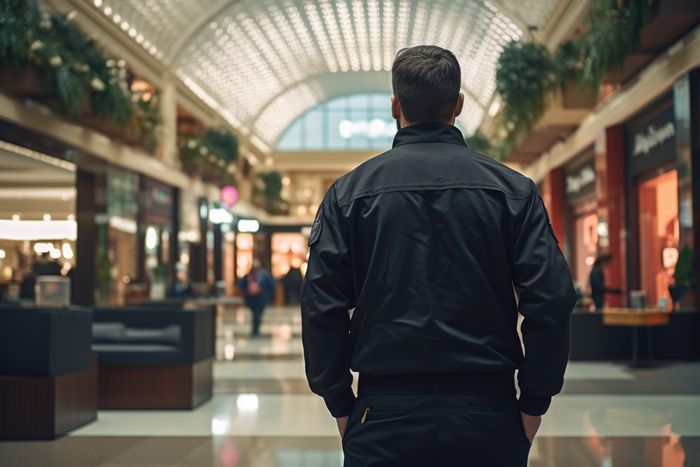


Retail theft is becoming more organised, more frequent, and harder to predict, leaving store teams under constant pressure to respond quickly while maintaining a safe customer experience. Traditional surveillance systems still play a role, but they often fall short when real-time visibility and clear accountability are needed on the shop floor.
This is where body-worn cameras are beginning to change the conversation. Instead of passively recording from a distance, they bring documentation directly into the moment, helping retailers capture incidents as they unfold, reduce escalation risks, and strengthen staff protection.
As more retail businesses reassess their loss prevention strategies, wearable recording technology is emerging as a practical layer in a wider security approach. The focus is no longer only on deterring theft, but also on improving response, safety, and operational confidence across frontline teams.
TL,DR
- Body-worn cameras help deter theft by making criminal behaviour more visible and riskier for offenders.
- They improve incident documentation by capturing clear, real-time evidence during shopfloor situations.
- Employee safety is strengthened as cameras discourage aggression and support dispute resolution with proof.
- Successful adoption depends on clear policies, staff training, and addressing privacy and cost considerations.
- They deliver the best results when integrated with CCTV and broader retail security systems rather than used alone.
A Game-Changer for Retail Loss Prevention
Body-worn cameras for retail are fast becoming a staple in loss prevention strategies. These compact devices, worn by employees, provide a powerful deterrent against theft, aggression, and inappropriate behaviour. By capturing real-time footage, body cameras offer retailers a level of security that traditional methods such as security guards or surveillance cameras simply can't match.
Reducing Theft and Deterring Shoplifters
Shoplifting continues to be a significant challenge for retailers, costing billions each year. With body-worn cameras, employees are able to record interactions with suspected shoplifters, providing clear evidence in case of incidents. The presence of a body camera often acts as an immediate deterrent to would-be thieves, who may think twice before attempting to steal when they know they are being recorded.
Body-worn cameras also help prevent confrontations between employees and shoplifters from escalating. When staff members wear cameras, they signal to criminals that any aggressive or suspicious behaviour will be documented, creating a safer environment for everyone involved.
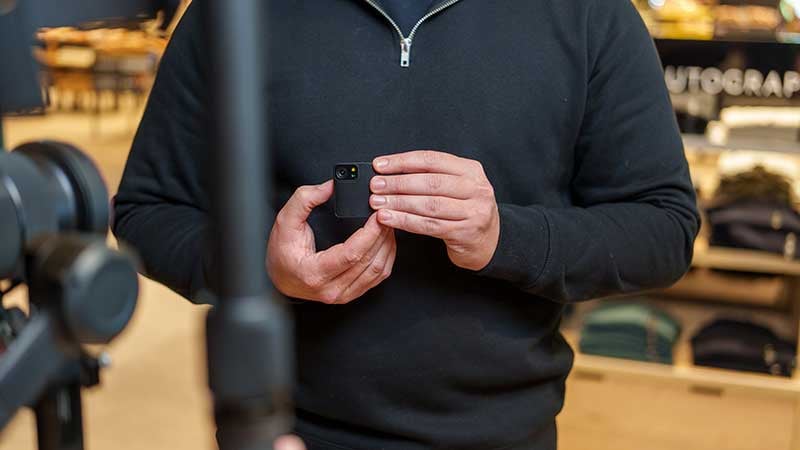
Enhancing Employee Safety
Employee safety is another key concern in retail environments, especially in stores where cash transactions and high-value items are involved. Body cameras can help protect staff by recording any incidents of verbal or physical abuse. These recordings serve as a safeguard for employees, as they provide irrefutable evidence in the event of disputes or legal proceedings.
By improving employee safety, body-worn cameras can also help reduce turnover rates and foster a more positive work environment. Knowing they are protected allows employees to focus on their tasks with greater confidence and assurance.
Pro Tip: Position body-worn cameras as a support tool, not a surveillance tool. When staff clearly understand that the purpose is protection rather than monitoring performance, adoption becomes smoother, resistance reduces, and overall effectiveness in de-escalating incidents improves significantly.
Real-Time Monitoring and Instant Access
Body-worn cameras for retail also offer the benefit of real-time monitoring. Retailers can connect the cameras to a centralised system, allowing for immediate access to footage and the ability to respond quickly to incidents. Whether it's notifying security personnel of a theft or tracking the movements of a suspicious individual, real-time monitoring ensures that action is taken promptly.
Furthermore, the footage captured by body-worn cameras can be reviewed later for training purposes. Retailers can use real-life examples of theft or aggressive behaviour to educate staff on how to handle similar situations, making them better prepared for the future.
Missing Challenges or Limitations
While body-worn cameras offer clear advantages in retail loss prevention and employee safety, they also come with practical challenges that need to be addressed for successful implementation. Understanding these limitations alongside workable solutions ensures the system delivers real operational value.
Employee Privacy Concerns
One of the most common concerns is how recording impacts staff comfort and trust. Employees may feel they are being constantly monitored, especially if policies are not clearly defined.
Solution: Clear communication is essential from the outset. Retailers should explain when recording is active, how footage is used, and who can access it. Establishing written policies and involving staff in the rollout process helps build trust and reduces resistance.
Implementation And Operational Costs
Beyond the initial purchase of devices, retailers must consider storage systems, software platforms, data management, and ongoing maintenance. These costs can add up, particularly for smaller retail businesses.
Solution: A phased rollout approach can help manage costs effectively. Starting with high-risk stores or departments allows businesses to test ROI before scaling. Cloud-based storage solutions can also reduce infrastructure expenses and simplify management.
Training And Compliance Gaps
Without proper training, staff may not use body-worn cameras consistently or correctly. This can lead to missed incidents or misuse of the technology.
Solution: Structured training programmes should be built into onboarding and ongoing development. Clear guidelines on when to activate cameras, how to handle confrontations, and reporting procedures ensure consistent usage across teams.
Integration With Existing Security Systems
Body-worn cameras are often introduced as standalone tools, which can limit their effectiveness if they are not integrated with existing CCTV, POS systems, or incident reporting tools.
Solution: Retailers should prioritise integration from the planning stage. Linking footage with wider security systems creates a more complete view of incidents and improves decision-making during investigations.
Over-Reliance On Technology
There is a risk that retailers may see body-worn cameras as a complete replacement for human judgment and traditional security measures.
Solution: These devices should be positioned as a support tool rather than a replacement. Combining them with trained staff, visible deterrents, and strong operational processes ensures a more balanced and effective loss prevention strategy.
Halos Body-Worn Cameras In Retail Security
As retailers explore more advanced loss prevention tools, solutions like Halos body-worn cameras are being adopted to bring greater structure and reliability to frontline security operations. Designed specifically for high-pressure environments such as retail, these devices focus on ease of use, quick activation, and consistent evidence capture during incidents.
In the context of retail loss prevention, Halos body cameras help address several challenges discussed earlier, particularly around usability and real-time response. Their streamlined design allows staff to activate recording instantly during confrontations, reducing the risk of missed or incomplete footage. This is especially valuable in fast-moving retail situations where incidents escalate quickly.
From an operational standpoint, Halos systems are also built to support better evidence management. Footage can be securely stored and accessed when required for investigations, training, or dispute resolution. This strengthens accountability while reducing reliance on subjective reporting after an incident has occurred.
When integrated into a wider security framework, including CCTV and trained store personnel, Halos body-worn cameras act as an additional layer of protection. They reinforce employee safety, support consistent incident documentation, and help retailers respond more confidently to theft and aggression on the shop floor.
Conclusion
Body-worn cameras are steadily becoming a practical layer in modern retail security, helping businesses address both loss prevention and frontline employee safety in real time. By capturing clear, on-the-ground evidence of incidents such as shoplifting or workplace aggression, they strengthen accountability and support faster, more informed responses.
As retail risks continue to evolve, these tools are likely to play a more integrated role within wider security systems rather than operating in isolation. When used alongside trained staff and existing surveillance infrastructure, they help create a more controlled and responsive store environment.
For retailers, the real value lies not just in preventing loss, but in building safer, more confident spaces for both employees and customers.
If you are looking to strengthen your loss prevention strategy with a purpose-built solution, Halos body-worn cameras offer a practical way to improve incident capture, support staff safety, and enhance operational confidence on the shop floor.
FAQs
1. How do body-worn cameras help reduce retail theft?
Body-worn cameras act as a strong deterrent by making potential offenders aware that their actions are being recorded. In cases of shoplifting or suspicious behaviour, the footage also provides clear evidence that can support investigations and improve incident resolution.
2. Are body-worn cameras legal to use in retail stores?
Yes, they are generally legal in retail environments, but retailers must follow local data protection and privacy regulations. This typically includes informing employees and, where required, customers that recording is in place and clearly defining how footage is stored and used.
3. Do body-worn cameras improve employee safety?
Yes, they can significantly improve employee safety by discouraging verbal or physical aggression. The presence of a camera often reduces escalation during confrontations, and recorded footage can be used as evidence in disputes or legal cases.
4. Can body-worn cameras work with existing retail security systems?
Yes, most modern body-worn camera systems can integrate with CCTV, incident reporting tools, and other security platforms. This creates a more complete security setup, allowing retailers to review incidents from multiple perspectives and respond more effectively.