
Retail theft is no longer a minor operational concern. It is a growing, high-impact challenge that is forcing retailers to rethink how they protect their stores, staff, and profits. In fact, global retail shrink reached an estimated $132 billion in 2024, with shoplifting alone accounting for a significant portion of those losses.
At the same time, incidents are not just increasing in volume but also in intensity. Retailers have reported rising levels of aggression and repeat offenses, making traditional surveillance methods harder to rely on as a standalone solution. Static cameras, signage, and conventional anti-theft devices for retail stores often record incidents, but they rarely prevent them in real time.
This is where the conversation shifts. As retail environments become more dynamic and unpredictable, businesses are starting to question whether passive surveillance is enough or if more proactive, adaptable solutions like body-worn cameras can deliver better results.
TL; DR
- Body cams act as an active deterrent by influencing behavior in real time, rather than simply recording incidents after they occur.
- Traditional surveillance methods such as fixed cameras and EAS systems often leave critical gaps, including blind spots and limited situational awareness.
- Body cams capture high-quality, close-range video and audio, making them more effective for evidence collection and legal use.
- Equipping staff with body cams helps improve safety, confidence, and the ability to handle high-risk or confrontational situations.
- Body cams offer stronger long-term value by supporting multiple use cases, leading to better overall return on investment.
Traditional Surveillance Methods
Many retailers default to traditional cameras and surveillance systems. Depending on the size of your organization, you may have security personnel at each location. But consider the pros and cons of some of the most common forms of surveillance:
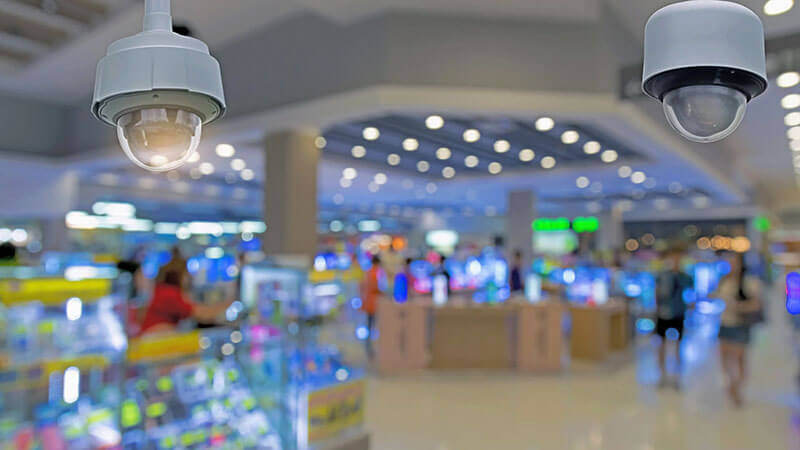
- Fixed Security Cameras: These cameras can provide continuous coverage. But they have obvious blind spots, and most cameras generate spotty and grainy footage.
- Pan-Tilt-Zoom (PTZ) Cameras: Because these cameras can sweep back and forth, they have fewer blind spots. But if you aren't actively controlling the cameras and making real-time use of the sweeping and zooming capabilities, you will still miss theft.
- Electronic Article Surveillance (EAS) Systems: These systems can cover large swaths of your store and, with today's improved tech capabilities, can cost-effectively flag stolen articles to send an alert to centralized teams or security staff. However, it only tracks the illicit movement of tagged goods, and its false positives can frustrate your honest customers.
- Plain-Clothes Security Personnel: Security teams can intervene the right way in myriad theft (or potential theft) scenarios. But these teams are expensive and can make mistakes.
Even creating a nuanced loss prevention plan that layers these options will leave unacceptable gaps in your strategy.
Body Cams for Retail Loss Prevention
However, adding body cams to your toolkit can eliminate many of those gaps and reduce the risk of theft. Body cams are wearable technology that staff can use to record incidents, deter time, and provide footage evidence in legal proceedings.
- Mobile And Adaptable Coverage: The cameras won't stay in a fixed or static position, meaning your coverage adapts based on where staff are and where incidents are occurring.
- Deterrent Effect: When approached by staff members wearing body cams, prospective thieves are much less likely to continue a theft. They also make your retail location a less favorable choice for future incidents.
- High-quality Video And Audio Recording: In 2024, body cams can possess the fidelity and video/audio quality of phones and other mobile devices. Your teams can wear cameras that display faces, items, and incidents with sharp clarity.
- Real-time Communication Capabilities: Body cams can send footage to a centralized team, who can then reach out to wearers via phones, earpieces, or walkie-talkies to control a situation.
- Dual-Purpose: Not only do body cams mitigate the risk of theft, but they also protect staff in potentially hostile staff-customer interactions. Companies can also use them to collect evidence for criminal and civil proceedings.
- Cost-Effectiveness: Body cams offer an excellent ROI because of their smaller implementation costs and multiple benefits across store operations.
|
Surveillance Method |
How It Works |
Key Advantages |
Key Limitations |
|
Fixed Security Cameras |
Provide continuous monitoring from fixed positions. |
Deliver constant coverage. |
Create blind spots and often capture unclear or distant footage. |
|
Pan-Tilt-Zoom (PTZ) Cameras |
Allow manual control to pan, tilt, and zoom across areas. |
Reduce blind spots when actively monitored. |
Require constant operation, otherwise incidents can be missed. |
|
Electronic Article Surveillance (EAS) Systems |
Use tags and sensors to detect unauthorized movement of goods. |
Cover large areas and send alerts for potential theft. |
Only track tagged items and may trigger false positives. |
|
Plain-Clothes Security Personnel |
Deploy trained staff to monitor and intervene in real time. |
Handle complex situations and deter theft through presence. |
Increase operational costs and may involve human error. |
|
Body-Worn Cameras |
Equip staff with wearable cameras to record and stream interactions. |
Provide mobile coverage, deter theft, capture high-quality evidence, and support real-time response. |
Require initial investment and staff training. |
Key Features of HALOS Body Cams for Public Transportation
However, not all body cams are equally capable of providing these benefits. At HALOS, we develop our solution to have the features you need to actively increase public transport safety:
Durable And Reliable Hardware: Built for continuous, real-world use, the hardware is designed to withstand daily wear and tear in busy retail settings. This ensures consistent performance without frequent replacements or disruptions.
Weather-Resistant Design: With in-built weather resistance, the cameras continue to function effectively across different environmental conditions, making them reliable for both indoor and outdoor retail spaces.
Extended Battery Performance: Long battery life ensures that devices last through entire shifts without interruption, reducing the risk of missing critical incidents due to power limitations.
Quick And Easy Battery Replacement: Swappable batteries allow staff to quickly replace power units without technical complexity, minimizing downtime and maintaining operational continuity.
Wide-Angle Field Of View: Wide-angle lenses capture more of the surrounding environment, reducing blind spots and providing better context during incident recording.
Advanced Low-Light And Night Vision: Clear footage in low-light conditions ensures that visibility is not compromised during evening hours or in dimly lit areas of the store.
One-Touch Activation For Immediate Response: Simple, single-button activation allows staff to start recording instantly, which is critical in fast-moving or unexpected situations.
Secure And Encrypted Storage: All recorded footage is protected through encryption, ensuring that sensitive data remains secure and compliant with privacy standards.
Automated Evidence Management: Footage is automatically uploaded, sorted, and tagged, making it easier for teams to access, review, and use recordings when needed.
Comparative Analysis
Compare traditional anti-theft devices for retail stores against body cams to see which one has a greater role in loss prevention:
- Coverage And Flexibility: Body cams are more dynamic and less static
- Quality: Body cams give high-fidelity, close-up footage at all times, while traditional cameras provide faraway footage with gaps and noise.
- Deterrence: Many people ignore conventional cameras but will notice body cams.
- Staff engagement: Body cams are an active deterrence solution, whereas older cameras are more passive.
- Evidence: Body cams collect higher-quality footage and evidence for legal proceedings.
- ROI: Traditional cameras only provide some value for theft cases and prevention, whereas body cams provide more benefits.
Conclusion
Retail loss prevention is no longer just about monitoring activity. It is about responding in real time, protecting staff, and reducing risk before incidents escalate. While traditional surveillance methods still play a role, they often fall short when it comes to flexibility, deterrence, and actionable insights.
Body-worn cameras bring a more proactive approach to retail security. They bridge the gaps left by static systems by providing mobile coverage, influencing behavior, and capturing clear, reliable evidence when it matters most. More importantly, they support safer interactions between staff and customers, which is becoming increasingly critical in today’s retail environment.
As retail challenges continue to evolve, businesses that invest in adaptable and intelligent solutions will be better positioned to protect their operations. With the right technology in place, loss prevention can shift from being reactive to truly strategic.
Choose HALOS loss prevention solutions.
At HALOS, we're continually investing in dynamic loss prevention technology and better anti-theft devices for retail stores. To learn more about our body cam options and see how our cloud-based systems can improve your security.
Frequently Asked Questions
How do body cams support loss prevention in retail stores?
Body cams help reduce theft by discouraging suspicious behavior, recording incidents as they happen, and providing clear visual evidence for review and action.
Can body cams be used alongside existing surveillance systems?
Yes, body cams are most effective when combined with existing tools, as they add mobility and real-time visibility to otherwise fixed surveillance setups.
What measures ensure data security in body cam usage?
Most advanced body cam systems include encrypted storage and controlled access, helping businesses protect sensitive footage and maintain compliance with data policies.
In what ways do body cams benefit retail staff?
They create a safer working environment by reducing the likelihood of aggressive encounters and offering recorded proof in case of disputes or complaints.
Is investing in body cams financially practical for retailers?
Body cams can deliver long-term savings by lowering shrinkage, reducing liability risks, and improving overall operational efficiency, making them a practical investment.