
What happens when a lone worker needs support, but no one is immediately aware of the situation? How quickly can a team respond when critical information is delayed or incomplete?
For organisations managing dispersed teams, these are not edge cases. They are everyday operational challenges. Whether it is security, field services, or site management, the ability to stay informed and act quickly can directly impact outcomes.
This is where 4G body cameras for lone workers are making a measurable difference. By enabling continuous connectivity and real-time information flow, they help teams stay informed, respond with confidence, and maintain control across unpredictable environments.
As expectations around worker safety continue to evolve, so does the need for tools that support faster decisions and stronger accountability in the field.
TL; DR
- 4G body cameras give supervisors real-time visibility into lone worker situations.
- Live streaming and two-way audio enable faster, more informed responses.
- Panic alerts and instant notifications help escalate incidents without delay.
- Automatic cloud uploads ensure footage is securely stored and instantly accessible.
- Real-time monitoring improves worker safety, response times, and operational efficiency.
Staying Connected to Teams in the Field
For teams managing lone workers, staying connected is not just about communication. It is about maintaining awareness across environments where direct supervision is not possible.
In large properties, remote locations, or mobile patrol routes, information often travels in fragments. Updates depend on manual check-ins, and critical details may only surface after a situation has already progressed. This creates delays in coordination and limits how effectively teams can respond in real time.
4G-enabled body cameras address this gap by enabling continuous connection between frontline workers and supervisors. With live streaming and integrated communication, teams can maintain a clearer view of ongoing situations without relying solely on verbal updates or post-incident reports.
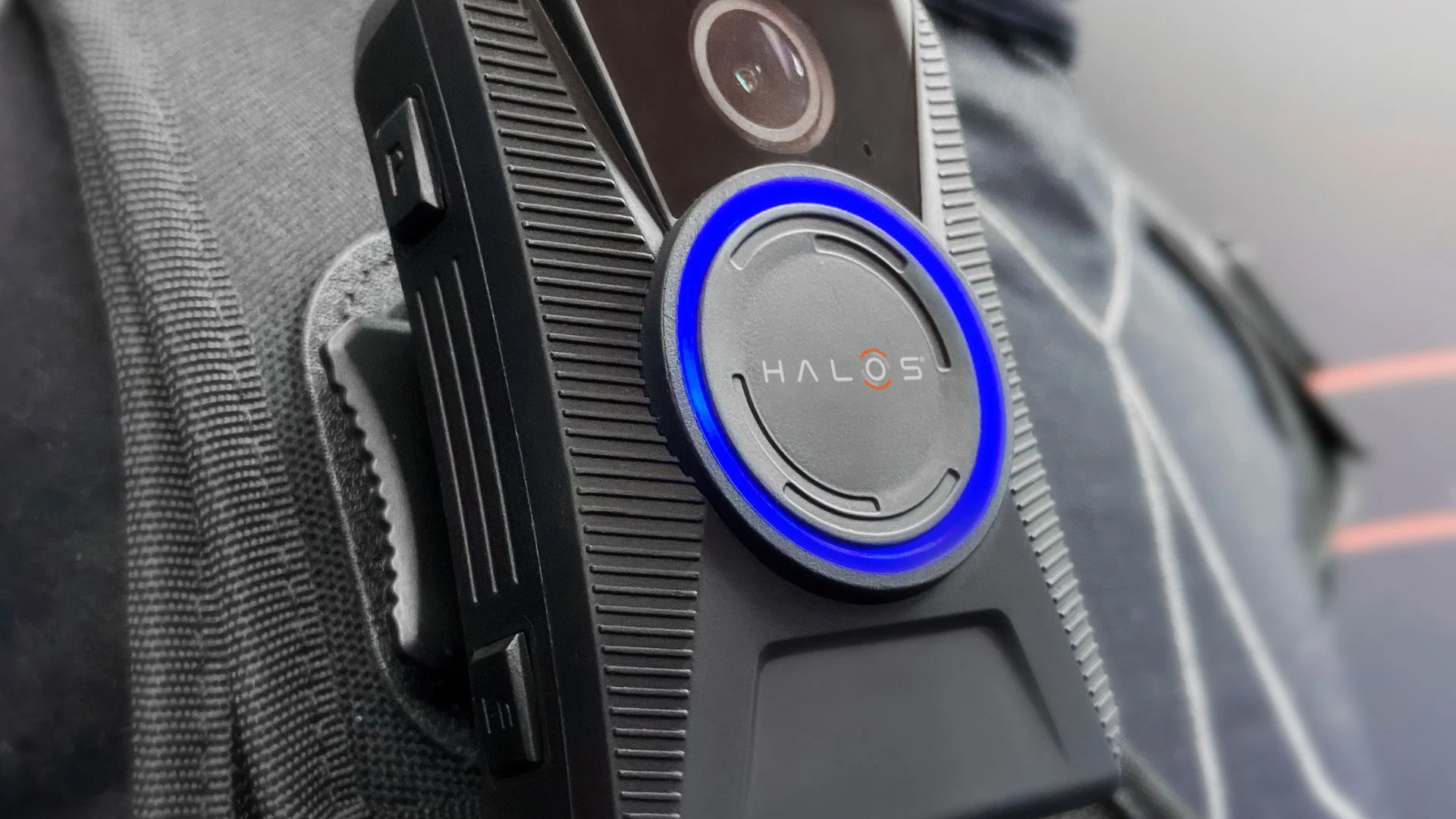
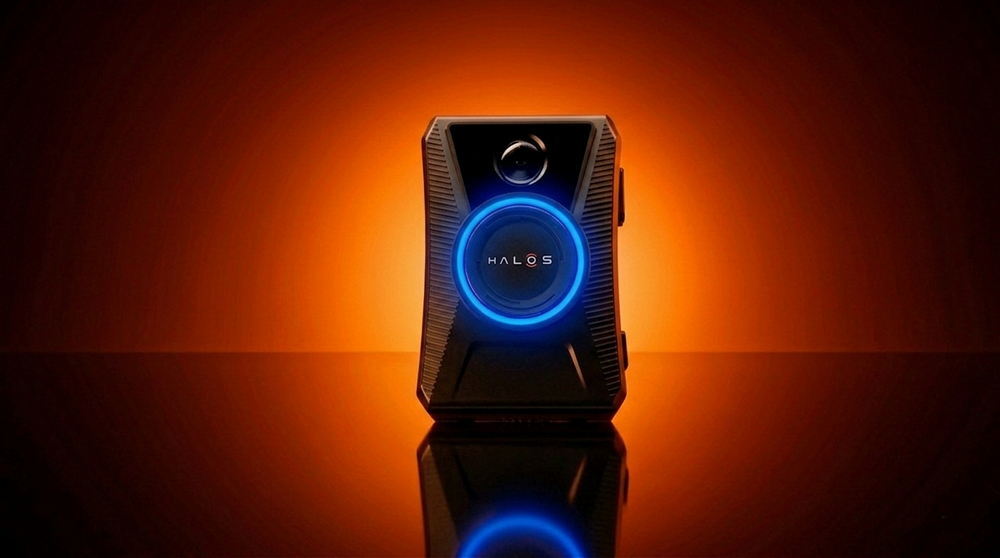
Solutions such as HALOS further strengthen this connection by combining real-time visibility with automatic evidence capture. This allows supervisors to stay informed, guide responses when needed, and ensure that important footage is securely recorded without additional steps from the field.
For lone workers, this level of connectivity provides reassurance. For operations teams, it creates a more responsive and controlled working environment.
Features That Keep Teams Connected
Modern body cameras for employees are designed to support continuous coordination between frontline workers and operations teams. Instead of relying on fragmented updates, supervisors can access live context, communicate directly, and stay aligned with field activity as it happens.
The focus is not just visibility, but control. With the ability to monitor situations, guide actions, and capture events simultaneously, teams can manage incidents with greater clarity and consistency.
Here's what to look for:
- Live streaming from the field
- Two-way audio communication
- Panic alerts activated from the device
- Real-time automatic uploads
- Immediate access to footage
These capabilities strengthen situational awareness, improve response coordination, and ensure critical information is always accessible when it matters most.
Pro Tip: Look beyond individual features and focus on how they work together. Live streaming, two-way audio, and instant uploads are most effective when integrated into a single workflow that supports real-time decision-making.
Real-World Example
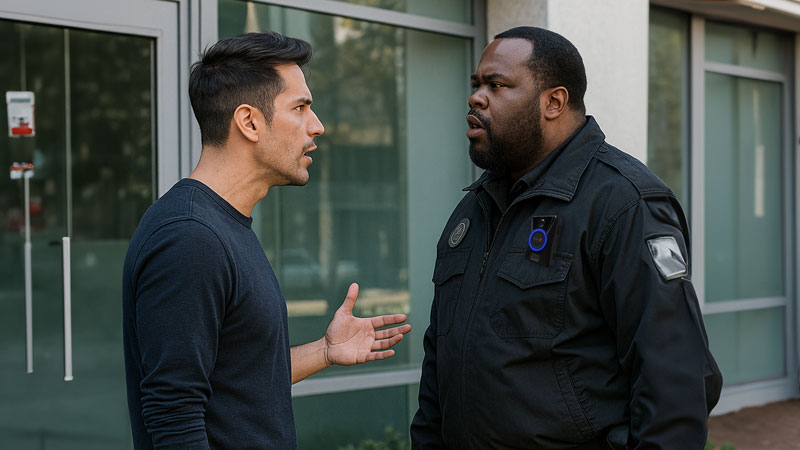
At a property in Northern Austin, Texas, a lone security officer encountered a trespasser making threats. As the situation escalated, the officer activated their body camera with a single press. That triggered an instant alert through their cloud-based evidence management portal.
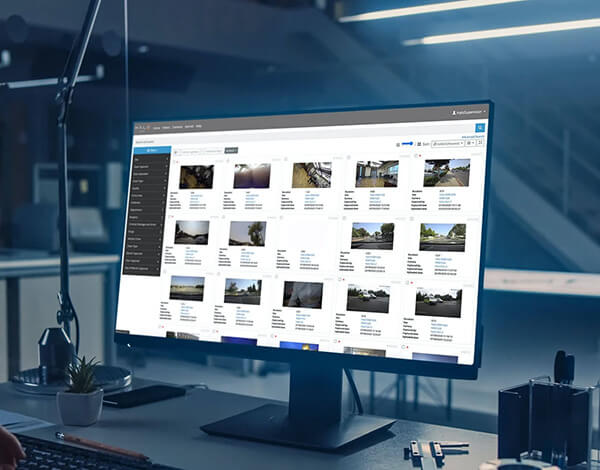
From his phone, the supervisor opened the live stream and watched the incident unfold in real time. Using the body camera's two-way audio, he stayed connected and guided the officer until the police arrived. The entire event was streamed, recorded, and uploaded automatically to secure cloud storage.
“I wasn't even at my desk. I got the alert on my phone, opened up the live stream, and was able to see exactly what was happening and talk to my officer through his body cam to ensure he was safe.”John Cade, Co-Owner of Next Level Security.
Why Instant Access to Footage Changes Everything
Capturing footage is important. But making that footage available instantly is what turns it into a powerful operational tool. Body cameras with automatic cloud upload continuously sync recorded video over 4G, so nothing is lost, and nothing is delayed.
When law enforcement arrives, or a client needs answers, supervisors can access and share footage immediately—allowing incidents to be resolved faster and more safely.
Customers using HALOS 4G body cameras have reported:
- Up to 90% decrease in violent incident escalation
- Noticeable reduction in local crime on patrol routes
- 20% increase in incident resolution across sites
Operational Benefits for Security Teams
4G live streaming and cloud-connected body cameras are also improving everyday workflows for operational teams.
- Supervisors can monitor officers during high-risk assignments and provide guidance in real time
- Recorded footage becomes instantly available for investigations, client reporting, or training
- Minimal manual processes reduce administrative friction and ensure footage is stored securely
- Officers feel more confident knowing they have backup when working alone
This results in more controlled operations, consistent incident handling, and a higher standard of accountability across teams and client environments.
Who This Technology Helps
4G body cameras are now used by a growing range of teams that need real-time visibility and support including:
- Security companies with remote or solo patrols
- Field service teams overseeing large sites or campuses
- Event security and mobile response units
- Any team responsible for lone worker safety and accountability
Rethinking What "Connected" Means
Conclusion: A Smarter Approach to Field Connectivity
For security teams operating across dispersed and high-risk environments, staying connected now requires more than basic communication. It demands consistent visibility, faster coordination, and the ability to act with confidence as situations develop.
Relying on delayed updates or fragmented information limits how effectively teams can respond and maintain control. As operations scale, these gaps become more difficult to manage and can impact both performance and accountability.
A more connected approach enables teams to operate with greater clarity and consistency, ensuring that decisions are informed and support is always within reach when it is needed most.
Looking to strengthen how your teams operate in the field? Speak to our field experts for more information on how these features work together with your existing operations.
Frequently Asked Questions
What are 4G body cameras and how do they work?
4G body cameras are wearable devices that use cellular connectivity to stream video, send alerts, and upload footage in real time. They allow supervisors to access live and recorded footage without relying on WiFi or manual data transfer.
How do body cameras improve lone worker safety?
Body cameras improve lone worker safety by providing real-time visibility, instant communication, and emergency alerts. This allows supervisors to monitor situations, guide responses, and intervene quickly when needed.
Do 4G body cameras require WiFi to function?
No, 4G body cameras operate using cellular networks, which means they can stream and upload footage without WiFi. This makes them suitable for remote locations and mobile operations.
Is footage from body cameras stored securely?
Yes, most modern body cameras use encrypted cloud storage to ensure footage is securely uploaded and stored. Access controls and audit trails help maintain data integrity and compliance.