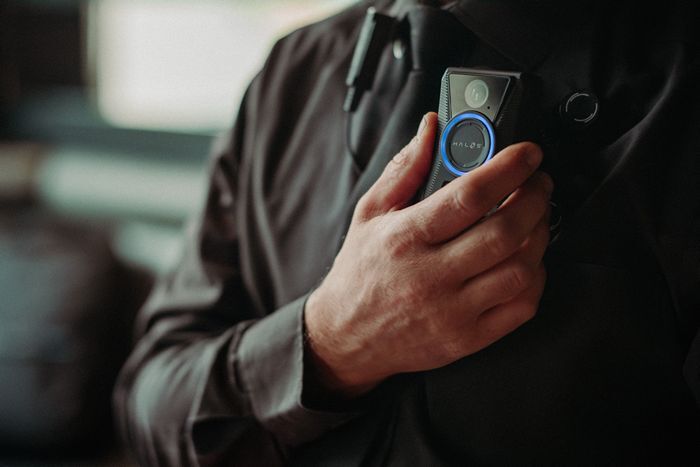

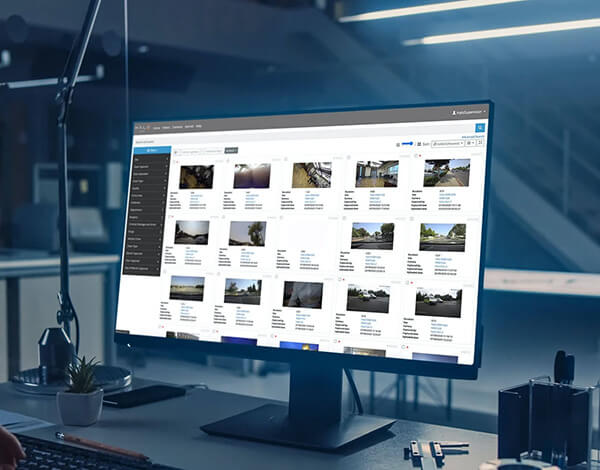
Incidents rarely wait for perfect timing. A call comes in, the situation shifts, and the first few minutes decide whether the response stays controlled or turns chaotic. The problem is that traditional footage often arrives after the fact, when decisions have already been made. A live streaming body camera changes that equation by giving supervisors and command staff real-time visibility so they can support the field, not second-guess it later.
TL;DR
- A live streaming body camera gives command staff real-time visibility to guide safer, faster decisions.
- Live video reduces radio confusion and improves coordination across units and locations.
- Streaming strengthens officer safety through remote support, rapid escalation, and better scene control.
- Agencies and security teams gain cleaner evidence, fewer gaps, and faster reporting workflows.
- A well-planned deployment addresses connectivity, policy, and cost with practical guardrails.
The Problem with Traditional Body Cameras?
Standard body-worn cameras brought accountability and better evidence capture. But most still operate in a "record now, review later" model, which creates three operational gaps during active incidents.
Delayed footage access
Footage typically becomes available only after an upload, docking, or manual transfer. That delay limits how much supervisors can do to support personnel while an incident is unfolding.
Limited situational awareness for decision-makers
Radio updates are essential, but they are still summaries. In fast-moving environments, summaries miss details, and details are what drive safe tactics and correct escalation.
Evidence gaps in critical moments
When an incident involves movement, crowds, low light, or multiple parties, the "right angle at the right second" becomes hard to guarantee. If the most important moment happens off-frame or during a camera obstruction, teams can be left with incomplete context.
Traditional body cameras remain valuable. The issue is that they are not designed to improve real-time responses. That is where streaming changes the operational outcome.
What Is a Live Streaming Body Camera?
A live streaming body camera is a body-worn camera that can transmit video and often audio in near real time to an authorized viewer, such as a supervisor, command center, or security operations team. This is often described as real-time video transmission or remote monitoring.
How it differs from standard body cameras
Traditional models prioritize local recording first, then later upload for evidence management. Streaming models still record locally for evidentiary integrity, but add a live view so leaders can:
- see what the officer or guard sees
- assess risk faster
- coordinate response resources with higher confidence
How it differs from a Wi-Fi body worn camera setup
A Wi-Fi body worn camera may rely primarily on local Wi-Fi networks for upload, syncing, or limited live view in specific areas, like a facility or campus. A true live stream body camera capability is designed to support streaming in more field conditions, typically by using cellular connectivity and intelligent buffering to maintain continuity when signal strength fluctuates.
In practice, many modern deployments blend both approaches:
- Wi-Fi for fast uploads and indoor coverage
- cellular for field streaming when units are mobile
How a Live Streaming Body Camera Improves Incident Response?
When an incident unfolds, early decisions matter most. A live streaming body camera gives supervisors real-time visibility, enabling faster decisions, better coordination, and stronger documentation in the moment; not after the fact.
Below are five practical improvements that matter to police departments, public safety teams, and private security operations.
1) Real-time command visibility when it matters most
Streaming gives supervisors more than status updates. It gives context.
With a live view, command staff can:
- confirm whether a scene is escalating or stabilizing
- identify hazards that may not be communicated over radio
- support tactical choices with clearer situational awareness
This is especially valuable when an officer is handling multiple parties, navigating confined spaces, or dealing with rapidly changing behavior.
2) Faster decision-making with fewer assumptions
When leaders can see the scene, they spend less time trying to interpret fragmented updates. That reduces delays tied to clarification and repetition.
Streaming helps shorten the loop for decisions like:
- whether to request medical support immediately
- whether to add units for containment or crowd management
- whether to shift approach from engagement to de-escalation
- when to elevate to specialized response
You are not replacing training or judgment. You are reducing guesswork under pressure.
3) Improved officer safety through remote support
Officer safety is not only about equipment. It is also about backup, timing, and the ability to recognize risk early.
A live streaming body camera supports safety by enabling:
- early identification of threats that may be outside the wearer's immediate focus
- faster escalation when an incident turns unexpectedly
- better coordination for safe approach angles and staging
- documented context that supports post-incident review and wellness processes
For security teams in retail, healthcare, and events, live visibility can also reduce "alone time" risk by ensuring supervisors are effectively present even when physically distant.
4) Better coordination across teams and locations
During multi-unit incidents, radio traffic increases and clarity can drop. Live video provides a shared reference point.
Streaming can improve coordination across:
- patrol and field supervisors
- dispatch and operations centers
- on-site security and remote security leadership
- public safety partners working joint response
Operationally, this can reduce duplicate responses, misrouted units, and gaps created by inconsistent situational understanding.
5) Stronger evidence collection with cleaner timelines
Live streaming is not just about response. It also improves what happens after.
Because the live view often runs alongside local recording, teams can:
- reduce missed moments caused by delayed activation or confusion
- preserve context around key decisions
- support more accurate reports and supervisor notes
- accelerate evidence review for investigations and case preparation
The biggest advantage is not "more footage." It is better continuity and fewer unanswered questions.
Pro Tip: Start with a pilot on your highest-risk shifts and use supervisor feedback to refine streaming policy, connectivity, and response workflows before scaling.
ROI and Operational Benefits of a Live Streaming Body Camera
A live streaming body camera should deliver measurable value, not just advanced features. From reducing liability to accelerating reporting and strengthening oversight, the real return shows up in safer operations, cleaner documentation, and more efficient workflows.
Additionally, streaming programs should support operational outcomes, not hype. Here are the benefits leaders typically care about, framed in practical terms.
Reduced liability and fewer "he said, she said" outcomes
Clearer documentation can reduce the time and cost spent on internal investigations, claims, and dispute resolution. Streaming also helps leadership validate what happened sooner, which improves response consistency.
Faster reporting and review cycles
When supervisors have stronger context during the incident, post-incident documentation becomes easier:
- fewer missing details
- fewer back-and-forth clarifications
- faster supervisor approvals and review
Training advantages rooted in real scenarios
Streaming-supported incidents provide high-quality learning material:
- what went well
- what could be improved
- how communication affected outcomes
- how policy aligned with field reality
The value increases when training focuses on practical decision points rather than abstract theory.
Transparency and public trust
The goal is not "more video." The goal is more confidence in process. When an organization can document timelines, decisions, and context clearly, it strengthens trust with stakeholders, oversight bodies, and the public.
Addressing common objections: cost, complexity, connectivity
Decision-makers often hesitate for predictable reasons. These can be managed.
- Cost: Build the case around reduced investigation time, fewer disputes, and faster supervisory workflows, not "nice-to-have" features.
- Complexity: Choose workflows that match your operating model. The best system is the one teams will actually use under stress.
- Connectivity: Streaming should be designed to degrade gracefully. Even with fluctuating signal, local recording protects evidentiary continuity, while streaming supports real-time visibility where available.
Conclusion
Incident response improves when leaders can act on reality instead of summaries. A live streaming body camera gives supervisors and command staff the visibility to support safer decisions, coordinate resources faster, and strengthen documentation from the first moments of an incident to final reporting. If your current program still depends on "we'll review the footage later," streaming is the upgrade that moves your organization from after-action review to real-time operational control.
If you are evaluating streaming for law enforcement, public safety, or private security, the fastest way to judge fit is to see it in action. A live demo lets you evaluate real-time video transmission, remote monitoring workflows, and how the system performs under realistic conditions.
Book a live demo to see how live streaming works in the field, how supervisors view and manage streams, and what a practical rollout looks like for your teams.
Frequently Asked Questions
What is the difference between a live streaming body camera and a standard body camera?
A live streaming body camera transmits video in near real time to authorized viewers, while still recording locally for evidence. Standard cameras usually require later upload before footage can be reviewed.
Does a Wi-Fi body worn camera work the same as live streaming in the field?
Not always. A Wi-Fi body worn camera may depend on local Wi-Fi coverage for syncing or limited live view. Field streaming often relies on cellular connectivity and is designed for mobile incidents beyond a single facility network.
How does a live stream body camera help supervisors during incidents?
It provides real-time visibility so supervisors can assess risk, guide decisions, coordinate units, and escalate resources faster, with fewer assumptions than radio-only updates.
Will live streaming replace radio communication?
No. Radio remains essential. Streaming complements radio by giving visual context, reducing confusion, and helping command staff confirm what is happening when details are unclear or contested.
.webp)