
A supervisor calls at 2:15 a.m. A client wants answers now. The guard’s written report is short, vague, and missing key details. The shift log has gaps. And by the time you piece together what happened, the narrative is already being challenged. This is the daily reality of incident documentation in private security.
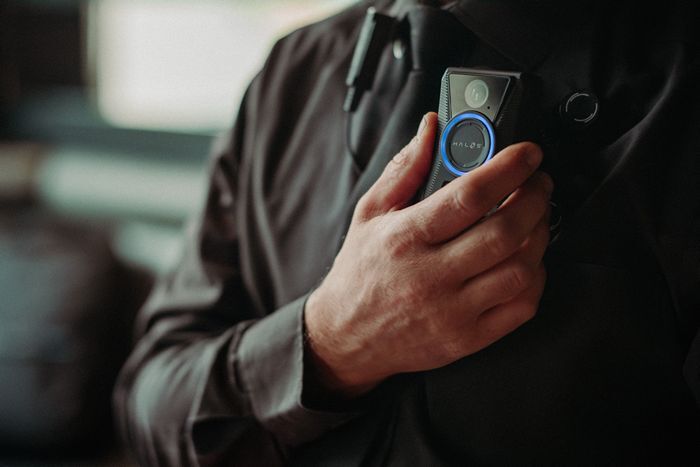
And it is exactly why a security bodycam has become one of the most practical upgrades a modern security operator can make.
Incident reporting is not just paperwork. It is liability protection, client confidence, and operational control. When reports are slow, incomplete, or disputed, your business pays the price in time, credibility, and contract risk.
TL;DR
- A security bodycam turns incident reporting from memory-based notes into verifiable, real-time evidence.
- Faster, clearer documentation reduces supervisor follow-ups, reporting gaps, and client frustration.
- Video-backed reports help resolve disputes quickly and improve guard accountability on site.
- Private security body cameras strengthen risk management by supporting investigations and defending against false claims.
- As client expectations rise, adopting a security bodycam is becoming a practical operational standard, not a nice-to-have.
The Problem with Traditional Incident Reporting
Traditional incident reporting often depends on handwritten notes, delayed write-ups, and fragmented details gathered after the fact. In high-pressure environments, this approach leaves room for memory gaps, inconsistencies, and incomplete timelines. Over time, these small weaknesses can turn into larger operational and liability risks for private security companies.
Manual reports are slow when speed matters most
Most incident reporting still depends on memory and manual entry. After a tense interaction, a trespass removal, or a late-night alarm response, guards often write reports at the end of shift. That delay creates a problem: details fade, sequence gets fuzzy, and small inconsistencies creep in.
Even when the guard is experienced and honest, fatigue and pressure make it hard to produce a clean, comprehensive report every time.
Delayed documentation creates avoidable gaps
A report written hours later is not only less accurate, it is less defensible. Timelines become harder to validate. Supervisors spend extra time asking follow-up questions. Clients feel like they are getting a story, not a record.
And if an incident escalates into a complaint, insurance claim, or legal dispute, delayed documentation is one of the first things that gets challenged.
Human error turns into liability risk
Traditional reports rely on the guard’s ability to observe, remember, and write clearly. But security work is dynamic. During high-stress events, guards can miss details like who initiated contact, what was said, the exact time of escalation, and whether policy steps were followed.
Those missing details do not just create operational friction. They create liability exposure for your company and your clients.
How a Security Bodycam Transforms Reporting?
Traditional reporting relies on memory. A security bodycam replaces uncertainty with real-time, verifiable evidence. By capturing incidents as they happen, it makes documentation faster, clearer, and far more defensible.
Real-time video evidence replaces uncertainty
A security bodycam changes the foundation of incident reporting. Instead of relying only on a written narrative, you have a direct record of what occurred. That does not eliminate the need for reporting, but it makes reporting faster, more accurate, and more objective.
Video evidence helps supervisors review events quickly, identify policy issues, and respond to client questions with clarity.
Timestamped documentation strengthens every report
When footage is time-anchored, incident reporting becomes easier to validate. It supports a clean timeline and reduces the back-and-forth that typically follows a major event.
This is especially valuable for multi-step incidents such as repeated trespassing, progressive warning procedures, or situations involving multiple parties.
Faster report completion with clearer details
With video as reference, guards spend less time “reconstructing” events. They can focus on writing a concise report that matches what occurred. Supervisors also spend less time clarifying details, correcting inconsistencies, or requesting rewrites.
Over time, a security bodycam can reduce administrative load without lowering reporting standards.
Objective truth capture reduces disputes
Security incidents are often contested. People may deny what they said, claim the guard was aggressive, or challenge whether procedures were followed. Video does not solve every dispute, but it provides a more reliable basis for review than memory alone.
That objective record is a major reason many teams adopt private security body cameras as part of their professional standards.
Pro Tip: Set a clear policy for when to start recording (arrival, first contact, escalation) so every incident has a consistent, defensible timeline.
Operational Benefits of Security Bodycams for Private Security Companies
Beyond documentation, a security bodycam strengthens daily operations. It improves consistency, reduces disputes, and gives supervisors clearer visibility into how incidents are handled in the field.
Reduced disputes, faster resolution
Many operational headaches come from “your word vs. theirs.” A security bodycam helps you resolve disputes faster, because supervisors and clients can review what actually happened.
This can be especially helpful in retail loss prevention, gated communities, event security, hospitality, and corporate sites where complaints and misunderstandings are common.
Better guard accountability and professionalism
Body-worn cameras can improve consistency in how guards communicate and follow procedure. When teams know incidents may be reviewed, you often see clearer de-escalation, better adherence to post orders, and fewer casual shortcuts.
This is not about micromanagement. It is about raising operational standards in a way that is measurable and repeatable.
Stronger training material based on real situations
One of the most practical advantages of private security body cameras is training. Instead of relying only on classroom scenarios, you can use real examples to coach on de-escalation, communication, positioning, and policy compliance.
This shortens ramp time for new hires and helps experienced guards improve with specific, relevant feedback.
Increased client confidence and retention
Clients want reassurance that your team can document incidents professionally and transparently. A security bodycam supports that expectation by improving evidence documentation and reducing reporting gaps.
When clients trust your reporting, they are more likely to renew contracts, expand scope, and treat your team as a partner rather than a vendor.
Pro Tip: Include bodycam review in weekly supervisor checks so you catch reporting gaps early and coach for consistency before issues reach the client.
Risk Reduction and Legal Protection With Security Bodycams
Security work carries inherent legal exposure. A security bodycam helps reduce risk by preserving objective evidence and strengthening your company’s position when incidents are questioned.
Protection against false claims
False allegations can be expensive and time-consuming, even when they are unfounded. Video evidence can help clarify what happened, how your guard responded, and whether policy was followed.
For many operators, the decision to deploy private security body cameras is driven by risk management, not technology curiosity.
Evidence preservation supports investigations
When something serious happens, your ability to preserve evidence matters. A security bodycam can support internal reviews, client investigations, and cooperation with law enforcement when needed.
It also helps maintain professional credibility when the stakes are high and multiple parties are asking for proof.
Professional credibility when your process is questioned
In disputes, it is not enough to say “we handled it correctly.” You need documentation that holds up under scrutiny. A security bodycam strengthens your position by supporting incident reporting with verifiable evidence.
This is particularly important for high-risk environments like healthcare security, critical infrastructure, and high-traffic public venues.
Why Private Security Body Cameras Are Becoming the Industry Standard
Private security is becoming more accountability-driven and documentation-focused. As client expectations rise and disputes increase, private security body cameras are quickly shifting from optional equipment to an operational standard.
| Topic | What it means | Why it matters |
|---|---|---|
| Competitive differentiation in a crowded market | Many vendors look the same on paper | Proof of performance (documentation, responsiveness, professionalism) helps you stand out |
| Technology adoption is no longer optional | Clients expect modern evidence documentation | A security bodycam improves reporting without a complex overhaul |
| Client expectations are rising | Buyers want transparency and accountability | Faster complaint handling and verifiable facts build trust |
In that environment, deploying private security body cameras is less about “adding gear” and more about meeting the baseline standard of modern operations.
Wrapping It Up!
Incident reporting is one of the most visible proofs of your company’s professionalism. When documentation is slow, inconsistent, or disputed, the damage shows in client trust, supervisor workload, and contract risk. A security bodycam is one of the fastest ways to improve reporting quality because it supports objective evidence, clearer timelines, and faster resolution.
Adopting a security bodycam program also signals something important to clients and teams: you take accountability seriously, you are investing in standards, and you are building a more defensible operation.
If you want to see how a security bodycam can streamline incident reporting, reduce disputes, and improve guard accountability in real operations, book a live demo and walk through the workflow end-to-end.
Frequently Asked Questions
How does a security bodycam improve incident reporting speed?
A security bodycam captures the incident as it happens, so guards do not have to rely only on memory. This makes it easier to write a clear report faster, with fewer follow-up questions from supervisors or clients.
Do private security body cameras reduce liability risk?
Yes. When incidents are questioned, recorded footage can help show what happened, when it happened, and whether procedures were followed. This can reduce exposure from disputes and false claims.
Will a security bodycam replace written incident reports?
No. Most teams still require a written report, but a security bodycam strengthens it. Video supports timelines, clarifies details, and makes the written narrative more defensible.
What is the best way to roll out private security body cameras across a team?
Start with a clear recording policy, train guards on when to record and how to document incidents, and add regular supervisor reviews. A pilot rollout on one site or one shift helps you refine the process before scaling.