
Large-scale events create moments people look forward to, but they also create conditions where control becomes harder to maintain. Thousands of moving individuals, limited visibility across zones, and fast-changing situations can quickly stretch security teams beyond what traditional methods can manage.
In such environments, even a small gap in awareness can escalate into confusion, delayed response, or preventable incidents. This is where expectations from event security are shifting. It is no longer only about presence on the ground, but about clarity, accountability, and real-time visibility into what is happening.
Body-worn cameras are emerging as a practical response to this challenge. By providing a direct, real-time record of events from the officer’s perspective, they are changing how security teams observe, respond, and document incidents in complex environments.
TL;DR
- Body cameras are improving event security by enabling real-time crowd monitoring, faster incident response, and greater transparency in high-pressure situations.
- Modern event security is becoming more effective with body cameras that enhance crowd control, improve decision-making, and reduce disputes through clear evidence.
- Using body cameras in event security helps teams manage crowds better, handle incidents efficiently, and maintain accountability across all operations.
- Body cameras support safer events by providing real-time visibility, improving response times, and strengthening trust between security teams and attendees.
Why Event Security Needs A Technological Upgrade
Modern events are no longer just about managing entry points and watching crowds from a distance. They are dynamic, fast-moving environments where situations can escalate within seconds. For security teams, relying only on manual observation can create gaps in response time, clarity, and accountability. This is where technology becomes essential, helping teams stay one step ahead while ensuring safer experiences for everyone involved.
The Importance of Body Cameras in Event Security
1. Enhancing Situational Awareness
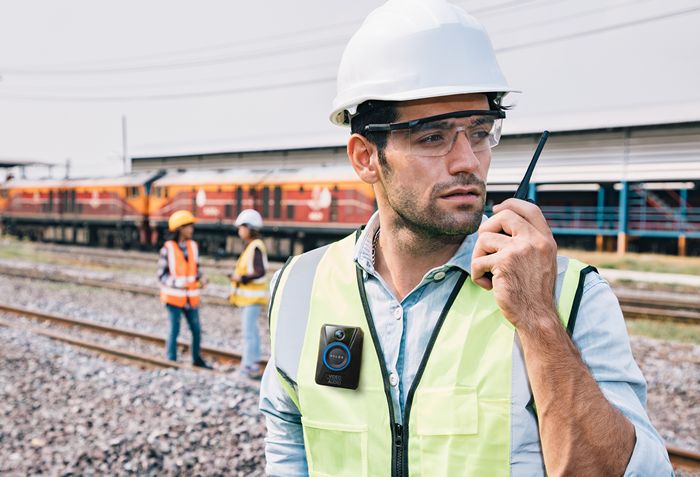
Event security teams are responsible for monitoring large crowds and identifying potential risks before they escalate. Body cameras provide real-time video and audio recording, allowing security personnel to capture unfolding events from their perspective. When integrated with a live-streaming platform, supervisors can monitor multiple feeds simultaneously, making data-driven decisions to deploy personnel where they are needed most.
Example: In 2007, the first national pilot of body-worn cameras was carried out in Plymouth. The final report found that wearing body cameras helped to reduce complaints by 14.3%, with no complaints against officers wearing head cameras.
2. Deterring Aggressive Behavior
The presence of body cameras can serve as a deterrent to misconduct. Attendees are less likely to engage in aggressive or unlawful behaviour when they know they are being recorded. This is particularly beneficial in situations involving unruly crowds, intoxicated individuals, or disputes between eventgoers.
Example: At a major UK music festival, event organisers introduced body-worn cameras for security personnel to deter disruptive behaviour. The cameras helped reduce incidents of aggression and altercations among attendees, particularly in high-tension areas like bars and entrances, by providing a visible deterrent and reassuring both security teams and the public.
3. Providing an Unbiased Record of Events
Disputes and altercations are inevitable at large-scale gatherings. Whether it's a disagreement between attendees or an incident involving security personnel, body cameras offer an unbiased, time-stamped account of what transpired. This footage can be used as evidence in case of complaints, legal proceedings, or internal investigations, helping to establish facts and ensure accountability.
Example: In 2022, the UK’s Metropolitan Police began equipping officers with body cameras to improve transparency and effectiveness when dealing with public disturbances and interactions in busy areas, helping to reduce complaints and increase trust in law enforcement.
4. Improving Training and Operational Efficiency
Footage captured by body cameras is an invaluable training resource. Security teams can review real-life scenarios to identify areas for improvement, refine protocols, and enhance response strategies. By analysing past incidents, event organisers can also make informed decisions about crowd control measures and security placements for future events.
Example: A 2021 study conducted at major music festivals in the US found that security teams using body cameras were able to review footage from previous events to identify areas for improvement, optimize crowd control strategies, and refine security placements for future festivals, ultimately enhancing both safety and operational efficiency.
5. Facilitating Coordination with Law Enforcement
In cases where law enforcement is required, body camera footage can provide crucial evidence to support investigations. Security teams equipped with body cameras can seamlessly share footage with authorities, ensuring a swift and effective response to incidents such as theft, violence, or medical emergencies.
Example: A study published in the Journal of Criminal Justice examined the impacts of introducing body-worn cameras in a British police force over a two-year period, highlighting their role in facilitating coordination with law enforcement.
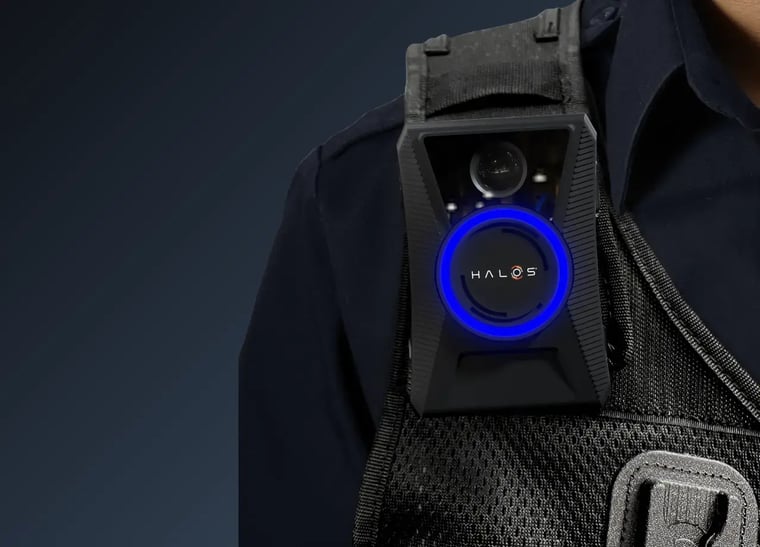
Best Practices for Implementing Body Cameras at Events
To maximize the benefits of body cameras in event security, organizations should consider the following best practices:
- Clear Usage Policies: Establish guidelines on when and how body cameras should be used to ensure compliance with privacy laws and ethical considerations.
- Live-Streaming Capabilities: Utilise body cameras that integrate with security management platforms, enabling real-time monitoring and coordination.
- Secure Data Storage: Implement a secure storage system to manage and retrieve footage while maintaining data integrity and chain of custody.
- Regular Training: Train security personnel on the proper use of body cameras, including activation protocols, de-escalation techniques, and data management.
- Transparent Communication: Inform attendees and staff about the presence of body cameras to promote awareness and trust in security measures.
Pro Tip: Body cameras deliver the most value when they are treated as part of a wider security system, not a standalone tool. When footage is actively reviewed, policies are clearly followed, and teams are trained to respond using live insights, they shift from being passive recorders to active decision-support tools that improve safety, speed, and accountability across the entire event.
The Future of Event Security
As technology advances, body-worn cameras will continue to revolutionize event security. AI-driven analytics, facial recognition integration, and automated incident detection are just a few innovations that will enhance security operations. By adopting body cameras, event organizers and security teams can create safer environments, protect both personnel and attendees and establish a higher standard of accountability.
In a world where security risks are ever-evolving, body cameras provide an essential layer of protection that is redefining event management. Investing in this technology is not just about enhancing safety—it’s about ensuring a seamless and enjoyable experience for everyone involved.
Conclusion
Event security is evolving rapidly, driven by larger crowds, faster decision-making needs, and higher expectations for accountability. In this environment, relying solely on traditional methods can leave gaps in visibility and response. Body-worn cameras help bridge that gap by giving security teams a clear, real-time perspective of situations as they unfold.
Beyond recording incidents, they support better coordination, improve transparency, and provide reliable evidence when it matters most. Over time, they also contribute to stronger training and more refined operational planning, helping teams perform more effectively at every event.
As events continue to grow in scale and complexity, tools that enhance clarity and control will play a central role in maintaining safety and trust. Body-worn cameras are not just an added layer of security, they are becoming an essential part of modern event management.
To see how this technology can strengthen your event security operations, get a personalised demo with HALOS and explore a solution designed for real-world challenges.
FAQs
What are body-worn cameras used for in event security?
Body-worn cameras are used to capture real-time video and audio from a security officer’s perspective. They help document incidents, improve situational awareness, and provide clear evidence for reviews or investigations.
Do body cameras help prevent incidents at events?
Yes, the visible presence of body cameras can discourage aggressive or inappropriate behaviour. Knowing that actions are being recorded often encourages more controlled conduct among attendees.
How do body-worn cameras improve security team performance?
They help teams review real incidents to improve training, refine response strategies, and optimise crowd management for future events, leading to better overall operational efficiency.