

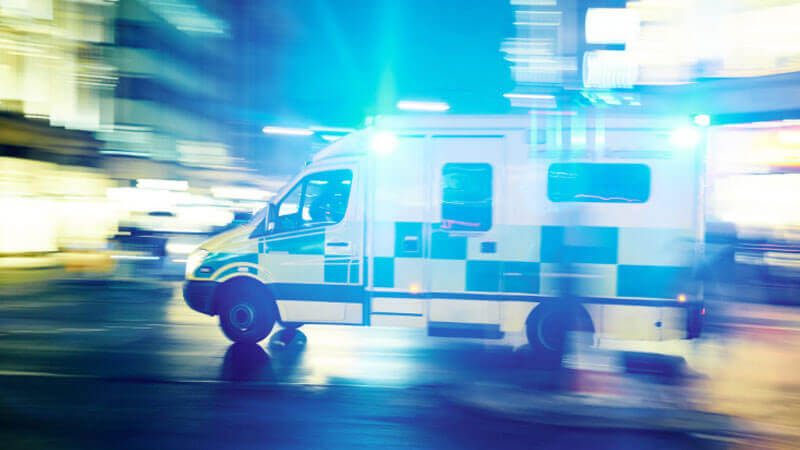
Recent analysis of NHS trust data has revealed a sharp rise in violence and aggression directed at healthcare staff across England, with hundreds of incidents being reported every single day. According to a Guardian investigation based on freedom of information requests, tens of thousands of cases of physical violence, threats, and abusive behaviour are recorded annually, pointing to what healthcare leaders describe as a growing safety crisis within the system.
The findings show that ambulance staff, alongside nurses and doctors, are increasingly exposed to aggressive behaviour while delivering care in high-pressure and often unpredictable environments. These incidents range from verbal abuse to physical assaults, raising concerns not only about workforce safety but also about the ability of emergency services to operate effectively under rising strain.
Healthcare representatives have warned that this pattern is no longer isolated or occasional. Instead, it reflects a wider structural issue within emergency care settings, where staff are expected to respond to critical situations while facing growing risks to their own safety.
TL,DR
- Violence against ambulance staff is being reported with increasing frequency, reflecting a broader safety concern across emergency healthcare systems rather than isolated incidents.
- Frontline responders operate in unpredictable and high-pressure environments, where aggression can occur during active patient care and emergency response.
- The impact of violence extends beyond immediate incidents, contributing to psychological strain, operational disruption, and long-term workforce challenges.
- Multiple system-level factors, including rising emergency demand, mental health crises, and delayed response times, are contributing to worsening conditions for ambulance crews.
- A coordinated response combining policy reform, training, public awareness, and technology such as body-worn cameras is increasingly seen as essential to improving frontline safety.
The Scale Of The Problem
Emergency healthcare environments are widely recognised within workplace safety frameworks as high-risk settings, where ambulance staff frequently operate in unpredictable conditions that can include exposure to aggression during emergency response.
This risk is not theoretical. Reports from different regions show that frontline ambulance teams are increasingly encountering such situations in real-world emergency settings.
In Ireland, for example, Extra.ie reported multiple incidents of paramedics being assaulted while responding to emergencies. These attacks often occur in high-stress situations, leaving medical teams vulnerable and undermining their ability to provide critical care.
This pattern is not limited to isolated locations and is being reflected in wider national reporting.
In the UK, Sky News reported that at least 55 ambulance staff are attacked or abused every single day, according to warnings from healthcare leaders. This figure underscores the scale of the issue and the daily risks faced by those on the frontlines. Such incidents not only threaten the lives of ambulance workers but also compromise their ability to deliver timely and effective care to patients in critical need.
What Violence Looks Like On The Ground
On the ground, violence against ambulance staff does not appear as isolated data points, but as disrupted emergency responses unfolding in real time.
Ambulance crews often arrive in environments that are already unstable. This can include domestic emergencies, public disturbances, or situations involving substance use or acute mental distress. In such settings, paramedics are required to assess patients quickly while also managing unpredictable behaviour from bystanders or individuals at the scene.
Incidents of aggression can range from verbal abuse and obstruction to physical assaults during patient care or transport. In some cases, this occurs while staff are actively attempting to stabilise a patient, which adds both clinical and operational pressure to an already critical situation.
These moments do not only affect immediate safety. They can delay treatment, disrupt decision-making, and force emergency teams to divert attention away from care delivery. Over time, repeated exposure to such conditions contributes to increased stress and reduces the sense of security within frontline roles.
What begins as a routine emergency call can therefore shift rapidly into a complex safety situation, where ambulance staff are required to balance clinical responsibility with personal risk in environments that are difficult to control.
The Human Cost
Beyond the immediate incidents of violence, the impact on ambulance staff extends into multiple layers that affect both individuals and the wider emergency care system. These effects are not isolated, and they accumulate over time with repeated exposure to high-risk situations.
Psychological Strain On Staff
Repeated exposure to aggression during emergency call-outs can increase stress levels among paramedics and EMTs. Even when incidents do not result in physical injury, the experience of facing hostility while delivering care can affect confidence, emotional wellbeing, and day-to-day resilience on duty.
Disruption To Emergency Response
When incidents of violence occur on scene, the focus of ambulance crews shifts from patient care to managing safety risks. This can slow down treatment, require additional support such as police presence, or delay onward transport, particularly in complex or unstable environments.
Pressure On Workforce Stability
Over time, exposure to unsafe conditions can contribute to burnout and reduced job satisfaction. This places additional strain on recruitment and retention within emergency medical services, affecting the availability of experienced staff in frontline roles.
Impact On Patient Care
Any disruption during emergency response has a direct consequence on patients. Delays in treatment or reduced efficiency on scene can influence outcomes, particularly in time-sensitive medical emergencies where rapid intervention is critical.
Why This Is Getting Worse
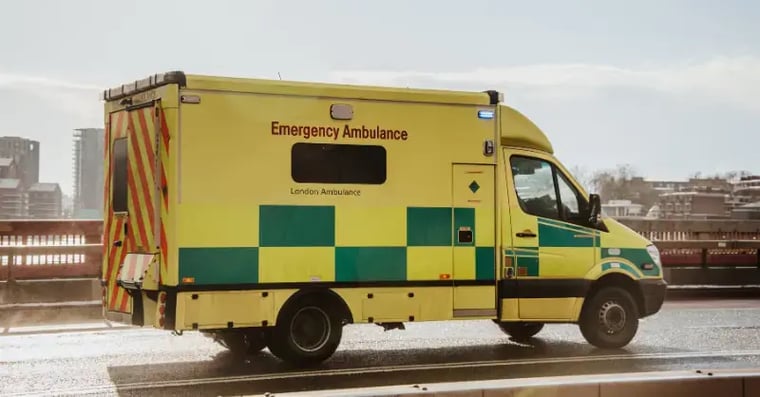
The rise in violence against ambulance staff is being linked to broader pressures within emergency care systems rather than isolated behavioural incidents. Increasing demand on ambulance services means crews are often responding to more complex and high-pressure situations within limited timeframes.
A growing number of call-outs also involve mental health crises or substance-related emergencies, where behaviour can be unpredictable and rapidly escalate. These environments place additional strain on frontline responders who are required to deliver care while managing safety risks.
Longer waiting times in some regions have also contributed to heightened tension at emergency scenes. When response times are delayed, situations can become more volatile by the time medical teams arrive.
Together, these factors create conditions where ambulance staff are more frequently exposed to aggression during routine emergency work.
Addressing the Crisis: Key Measures
While the causes of rising violence are linked to broader societal pressures, including increasing substance-related emergencies and mental health crises, immediate and coordinated measures are needed to improve the safety of ambulance staff.
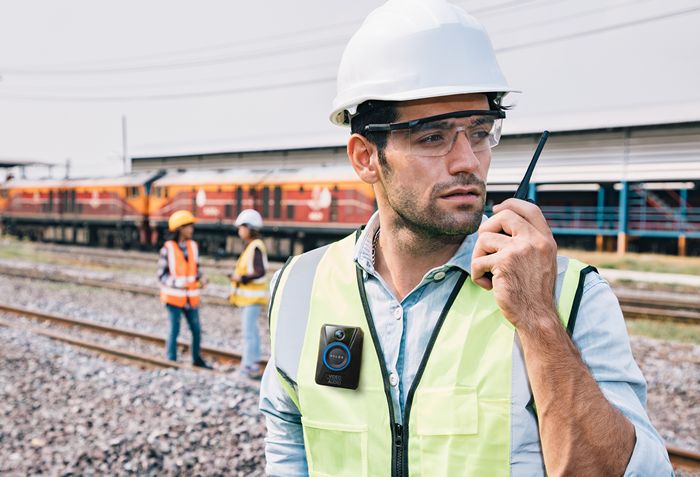
- Enhanced Security Measures: Equipping ambulances with body-worn cameras, such as HALOS Body Cameras, can provide real-time evidence of assaults and act as a deterrent to violent behaviour.
- Policy Reform: Governments must introduce stricter penalties for those who assault emergency workers. Laws should reflect the gravity of these crimes, sending a clear message that violence against healthcare professionals is unacceptable.
- Training and Support: Comprehensive de-escalation training and mental health resources should be provided to ambulance staff, enabling them to navigate challenging situations while maintaining their well-being.
- Public Awareness Campaigns: Educating the public about the vital role of ambulance staff and the consequences of violence can foster greater respect and understanding for these professionals.
Pro Tip: Safety measures work best when they are combined rather than implemented in isolation. Technology, training, policy enforcement, and public awareness need to operate together to create meaningful and sustained protection for frontline ambulance teams.
A Collective Responsibility
Ensuring the safety of ambulance staff is not solely the responsibility of healthcare organisations; it requires collective action from policymakers, law enforcement, and society at large. By addressing the root causes of violence and implementing robust protective measures, we can create an environment where healthcare workers feel safe and supported.
Technology also has a role to play in strengthening frontline safety and accountability, with tools such as HALOS Body Cameras being increasingly adopted to support incident documentation and enhance transparency during emergency responses.
As the statistics grow grimmer, the time to act is now. Let us stand in solidarity with ambulance staff and work towards a future where their safety is no longer at risk, and they can continue their life-saving work without fear.
FAQs
Why Is Violence Against Ambulance Staff Increasing?
The rise is being linked to broader pressures on emergency services, including increasing demand, mental health crises, substance-related emergencies, and longer response times. These conditions can create more unpredictable and high-stress environments during emergency call-outs.
What Types Of Violence Do Ambulance Staff Commonly Face?
Ambulance staff may experience verbal abuse, obstruction while providing care, threats, and in some cases physical assault. These incidents often occur during active emergency responses when medical teams are focused on treating patients.
How Does Violence Affect Emergency Medical Services?
Violence during emergency response can delay treatment, disrupt decision-making on scene, and divert attention away from patient care. Over time, it also contributes to staff burnout, reduced morale, and workforce retention challenges.
What Measures Can Help Improve Ambulance Staff Safety?
Improving safety requires a combination of stronger legal protection, de-escalation training, public awareness, and technology-based solutions such as body-worn cameras like HALOS Body Cameras to support accountability and incident documentation.

.webp)