

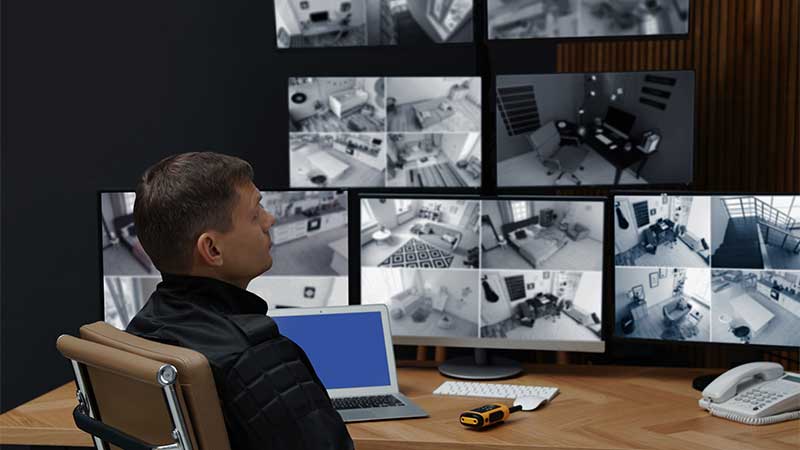
Security teams are expected to see everything, respond instantly, and justify every decision they make. What happens when there is no reliable record of what truly occurred?
Incidents get questioned. Accounts do not always match. And in high-pressure situations, even the right action can be difficult to prove later.
This gap between action and evidence is where things start to break down.
Body-worn cameras are stepping in to close that gap. They bring visibility to real-time interactions and add a layer of clarity that traditional surveillance often misses.
For many security teams, this is no longer just an upgrade. It is becoming a necessity.
Let’s take a closer look at how this shift is shaping modern private security.
TL; DR
- Improve real-time visibility by capturing incidents from a first-person perspective.
- Strengthen accountability by creating a reliable record of on-ground interactions.
- Support faster and more informed decision-making with live-streaming capabilities.
- Enable better conflict resolution through clear and unbiased video evidence.
- Enhance training and performance by using real incident footage for review and learning.
From Presence To Perspective: Rethinking On-Ground Visibility
Having personnel on the ground has always been a core part of private security. But presence alone does not guarantee clarity. What matters is what can actually be seen, recorded, and understood in the moment.
Traditional systems rely heavily on fixed cameras and written reports. While useful, they often miss context. They do not always capture what the officer saw, heard, or experienced during an incident.
This is where the shift begins. Body-worn cameras move beyond static observation and bring a first-person perspective into security operations. Every interaction, movement, and response is captured as it unfolds.
For teams operating in fast-moving environments, this added perspective can make a measurable difference in how situations are assessed and handled.
1. Enhanced Situational Awareness
Body-worn cameras serve as the eyes and ears of security personnel, providing a first-person perspective of their surroundings. Equipped with high-definition cameras and audio recording capabilities, these devices capture critical details of security incidents as they unfold. Whether patrolling a crowded venue or responding to a disturbance, security officers equipped with BWCs gain invaluable situational awareness, enabling them to assess threats accurately and respond effectively.
Moreover, live-streaming capabilities allow security teams to relay real-time footage to command centers or off-site monitors, facilitating swift decision-making and coordination of response efforts. By providing a comprehensive view of the operational environment, BWCs empower security personnel to anticipate potential threats and proactively address security concerns.
2. Accountability and Transparency
The deployment of body cams fosters a culture of accountability and transparency within private security organizations. By recording interactions between security personnel and individuals under surveillance, these devices promote adherence to professional standards and ethical conduct. The knowledge that their actions are being documented encourages security officers to exercise restraint and professionalism, minimizing the likelihood of misconduct or abuse of authority.
Furthermore, the availability of recorded footage serves as a valuable tool for incident investigation and evidence collection. In the event of disputes or legal proceedings, BWC footage provides an objective record of events, aiding in the resolution of conflicts and ensuring justice is served. This transparency not only enhances public trust in private security but also strengthens the credibility of security operations.
3. De-escalation and Conflict Resolution
One of the most significant benefits of BWCs is their potential to de-escalate volatile situations and facilitate peaceful conflict resolution. The presence of cameras can deter individuals from engaging in aggressive or unlawful behavior, knowing that their actions are being recorded. Moreover, security personnel equipped with BWCs are trained to defuse tense situations through effective communication and de-escalation techniques, knowing that their interactions are being documented.
In instances where conflicts arise, BWC footage provides an objective account of the events leading up to the incident, aiding in the impartial resolution of disputes. By promoting transparency and accountability, BWCs contribute to a safer and more secure environment for all stakeholders involved.
4. Training and Professional Development
Beyond their operational benefits, BWCs serve as invaluable tools for training and professional development within private security organizations. Recorded footage of security incidents can be used for post-incident analysis and debriefing sessions, allowing security personnel to reflect on their actions and identify areas for improvement. This reflective practice enhances the effectiveness of security operations and fosters a culture of continuous learning and development.
Additionally, BWC footage can be incorporated into training programs to provide real-world examples of security protocols and best practices. By immersing trainees in simulated scenarios based on actual incidents, BWCs facilitate experiential learning and enhance the proficiency of security personnel.
Pro Tip: To get the most value from BWC footage, treat it as a continuous training resource rather than using it only during occasional reviews. Establish a structured process where teams regularly analyze short, scenario-based clips, focusing on both what worked well and what can be improved.
5. Data Security and Privacy
While BWCs offer numerous benefits, their deployment raises important considerations regarding data security and privacy. Private security organizations must implement robust protocols to safeguard recorded footage and ensure compliance with applicable privacy regulations. This includes measures such as encryption, access controls, and data retention policies to protect the integrity and confidentiality of recorded content.
Moreover, clear guidelines and procedures must be established regarding the use and dissemination of BWC footage to prevent unauthorized access or misuse. Respecting the privacy rights of individuals captured on camera is paramount, and security personnel must be trained to handle recorded footage ethically and responsibly.
In conclusion, the integration of body-worn cameras represents a significant advancement in the field of private security, offering unparalleled capabilities in surveillance, accountability, and conflict resolution. By harnessing the power of this emerging technology, security organizations can enhance their operational effectiveness, foster trust with stakeholders, and create safer environments for all. However, careful consideration must be given to data security and privacy concerns to ensure the responsible and ethical use of BWCs in private security operations.
Implementing the HALOS Body Camera Solution Into Your Business
Adopting body-worn cameras is not just about adding new equipment. It is about building a system that supports your team, simplifies operations, and strengthens accountability across every interaction.
HALOS approaches this with a solution that fits into your existing workflows without adding complexity. From deployment to daily use, the focus stays on making technology practical and easy to manage.
With cloud-based evidence management, your team can securely upload, store, and access footage whenever needed. This removes the challenges of manual storage and ensures that critical data is always organized and available.
The subscription model also changes how businesses handle costs and maintenance. Instead of managing repairs or upgrades separately, everything is covered within a predictable structure. This allows teams to stay focused on operations without worrying about device upkeep.
What this looks like in practice:
- Simplify evidence access through a secure cloud system.
- Reduce operational burden with managed maintenance and support.
- Improve response and reporting with reliable, real-time footage.
- Strengthen compliance with structured data handling processes.
For businesses looking to modernize their security approach, the shift is not just about technology. It is about creating a more efficient, transparent, and reliable system that supports both your team and the people they protect.
Conclusion: Bringing Clarity To Modern Security
Security today is not just about being present. It is about being precise, accountable, and prepared for every situation. Without clear visibility, even well-managed incidents can lead to confusion, delays, or unnecessary risk.
Body-worn cameras address this challenge by turning everyday interactions into reliable, real-time records. They support better decisions in the moment and provide clarity long after an incident has passed.
For private security teams, this shift is shaping how operations are managed, reviewed, and improved over time. It is a more structured and transparent way of working.
As expectations around safety and accountability continue to grow, solutions like HALOS are helping businesses stay ahead with systems that are built for real-world demands.
See the difference cloud-based bodyworn cameras can make for your business. Explore HALO Body Cams today.
Frequently Asked Questions
What are body-worn cameras used for in private security?
Body-worn cameras are used to record real-time interactions, monitor incidents, and provide clear evidence for reporting, investigations, and compliance purposes.
How do body-worn cameras improve accountability?
They create an objective record of events, which encourages professional conduct and helps resolve disputes with accurate, unbiased footage.
Are body-worn cameras effective in conflict situations?
Yes, their presence can help deter aggressive behavior and support de-escalation. Recorded footage also provides clarity if a situation needs to be reviewed later.
How is the recorded footage stored and managed?
Most modern solutions use secure cloud-based systems that allow easy uploading, storage, and controlled access to footage while maintaining data security.
What should businesses consider before implementing body-worn cameras?
Businesses should evaluate data security practices, privacy compliance, ease of use, storage solutions, and ongoing maintenance to ensure a smooth and effective implementation.