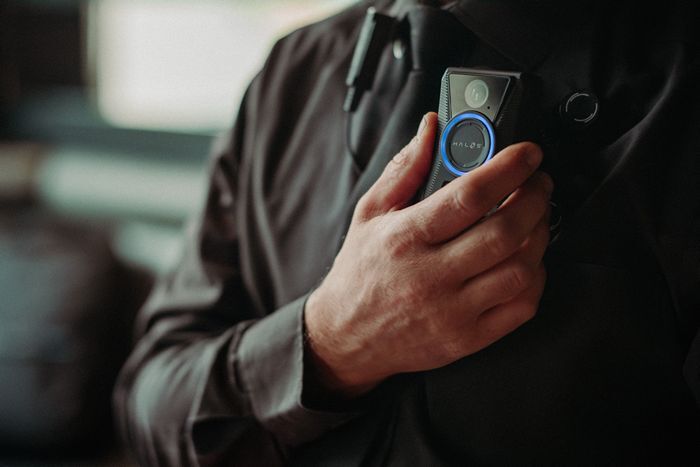

If you are looking for a bodycam with audio, you are probably not doing it because it sounds cool. You want clear documentation when things get tense, messy, or disputed. Video helps, but audio is what captures the part that gets argued over later: the exact words, the warnings, the refusals, and the tone of the interaction.
Security teams, private investigators, retail loss prevention, property managers, and field workers all run into the same problem. An incident happens, everyone remembers it differently, and the report becomes a debate. A modern body camera with audio turns that debate into a simple review.
Studies suggest that when departments use body cameras, complaints against officers drop by around 17%, showing their impact on accountability and transparency.
Source: NPR
This guide breaks down what “good audio” really means, what features matter beyond marketing specs, and how to choose the right setup for your work.
TL;DR
- A bodycam with audio captures not just actions, but the exact words that often decide disputes.
- Clear audio reduces complaints, protects staff, and speeds up incident reviews.
- Look beyond video quality. Focus on mic placement, noise reduction, wind filtering, and evidence security.
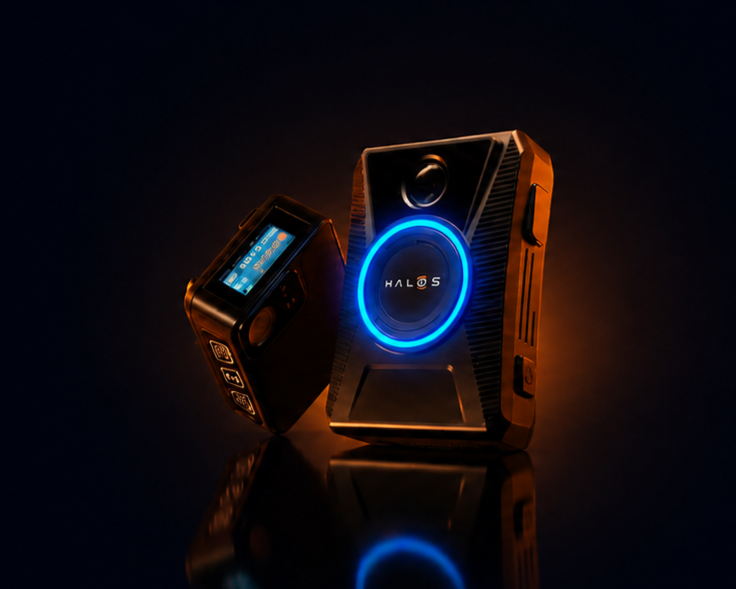
- Choose rugged models like HALOS Horizon for high-exposure roles and compact options like HALOS Nano for discreet use.
- Always test audio in real-world conditions before rolling out across your team.
Why Audio + Video Matters in Real Situations
Most incidents do not start with a physical confrontation. They start with a conversation.
A customer refuses to leave. A tenant argues about a notice. A contractor denies what they agreed to. A delivery driver is accused of being rude. A security officer gives multiple warnings and later gets blamed for “escalating too quickly.” In these moments, the video shows what happened, but the audio explains why it happened and what led up to it.
Audio also reduces “selective memory.” People remember what supports their side. That is human nature. A wearable body camera with audio protects your team by capturing the sequence of events in real time, so reviews are faster, claims are easier to resolve, and coaching becomes fair.
If you have ever heard, “That’s not what I said,” you already understand why a bodycam with audio matters.
Pro Tip: Test your bodycam with audio in your noisiest real setting and make sure speech is clear on a normal laptop speaker, because if you cannot understand it easily, it will not hold up when it matters.
What “Bodycam with Audio” Actually Means?
A bodycam with audio is a body-worn camera that records video and synchronized sound in the same file. That sounds simple, but audio quality can vary more than video quality between models. The difference comes down to microphone design and audio processing.
Here are the key audio terms buyers should know:
- Mic placement: Where the mic sits affects clarity. Too exposed picks up wind; blocked placement can muffle voices.
- Mic sensitivity (gain): Controls how well speech is captured. Too low misses words; too high can distort loud audio.
- Noise reduction: Reduces steady background noise (crowds, HVAC, engines) so voices stay clear.
- Wind filtering: Cuts wind rumble outdoors so speech remains understandable.
- Automatic level control: Keeps volume steady as people move or change distance, preventing sudden quiet or loud jumps.
If you want a body camera with audio for evidence, you are not buying “sound.” You are buying intelligible speech under stress.
If you are deploying cameras for safety and documentation, audio is what turns “we recorded something” into “we can prove what happened.”
Features to Look for In Bodycam with Audio
Before choosing a bodycam with audio, focus on the features that affect real-world performance. Clear speech capture, secure evidence of handling, durability, and battery life matter far more than marketing specs. The right features ensure your footage is usable, reliable, and defensible when it counts.
Audio clarity (noise reduction, wind filtering, mic sensitivity)
If audio is unclear, the footage loses value. Look for clear speech at normal distance, natural-sounding noise reduction, outdoor wind filtering, stable audio while moving, and minimal clothing rub. Quick test: record in your noisiest area and play it on a laptop speaker. If you need headphones, it is not strong enough.
Evidence protection (timestamping, encryption, secure storage, tamper resistance)
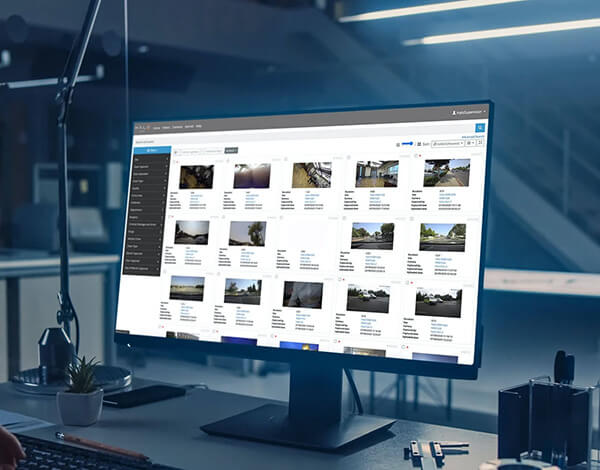
Strong evidence controls protect chain of custody. Look for accurate timestamps, encryption, role-based access, audit logs, and tamper-resistant files.
Durability (IP rating, drop resistance)
Body cameras take hits. Compare IP rating, drop resistance, and the build quality of mounts, buttons, and charging contacts.
Battery life (shift-length, standby vs record time)
Buy for real recording time, not standby. Confirm continuous record time for your longest shifts and charging that fits your workflow.
Low-light + field-of-view
Incidents happen in dim areas. Look for usable low-light performance and a balanced field of view that captures faces, hands, and surrounding context.
Where a Wearable Body Camera with Audio Pays Off?
You do not need one camera for every person. Many teams do better with two models in the same program, depending on role and exposure.
Retail loss prevention and floor security
If your team is visible, moving often, and dealing with frequent customer interactions, rugged wearability matters. HALOS Horizon is often the stronger fit because it is built for heavier daily use and higher incident frequency.
If you need discreet coverage for plain-clothes work or sensitive investigations, HALOS Nano may fit better because it is compact and less noticeable.
Security guards and patrol teams
Outdoor use, movement, and long shifts put pressure on durability and battery. HALOS Horizon is usually the better match for patrol-style work.
HALOS Nano can work well for indoor security roles where discretion matters more than rugged exterior exposure.
Property managers and facility teams
For teams handling tenant disputes, inspections, and contractor interactions, both models can work depending on role. Horizon fits staff who are on-site all day and cover larger areas. Nano fits office-to-floor staff who want a smaller camera they can keep on without feeling bulky.
Private investigators
Discretion often matters more than ruggedness. HALOS Nano is typically the better fit for investigations, interviews, and low-profile documentation.
Field workers and home visits
If your staff are in mixed environments (inside homes, outdoors, noisy sites) and need a tougher device, Horizon is often the practical choice.
If the priority is low-profile documentation and comfort, Nano is a strong option.
Pro Tip: Standardize HALOS Horizon for high-exposure, outdoor, and long-shift roles, and issue HALOS Nano for discreet or office-to-field roles where comfort and low visibility drive consistent wear.
Wrapping It Up!
If you are buying a bodycam with audio, do not settle for sound that is “almost clear.” In real incidents, audio captures the warnings, refusals, and key details that decide what happened and how it gets resolved. Choose a camera that records real speech clearly, keeps evidence secure, and holds up through daily wear so your team can rely on it every shift.
Ready for audio you can trust when it matters?
See HALOS Bodycam in Action and choose the model built for clear speech, secure evidence, and full-shift reliability.
Need help picking the right model, mounting setup, and workflow for your team? Contact us.
Frequently Asked Questions
How long does a bodycam with an audio battery last?
Battery life depends on resolution, recording settings, and usage patterns. Always ask for continuous recording time, not standby.
How much storage do I need?
It depends on how many hours you record per day and your video settings. If you record full shifts, size storage based on worst-case days.
Is it legal to record audio?
It depends on local consent laws and context. Some areas allow one-party consent, others require all-party consent. Verify your local requirements.
Will audio still be clear in loud places?
Better models use noise reduction and level control to keep voices intelligible. You should still test in your loudest environment before a full rollout.