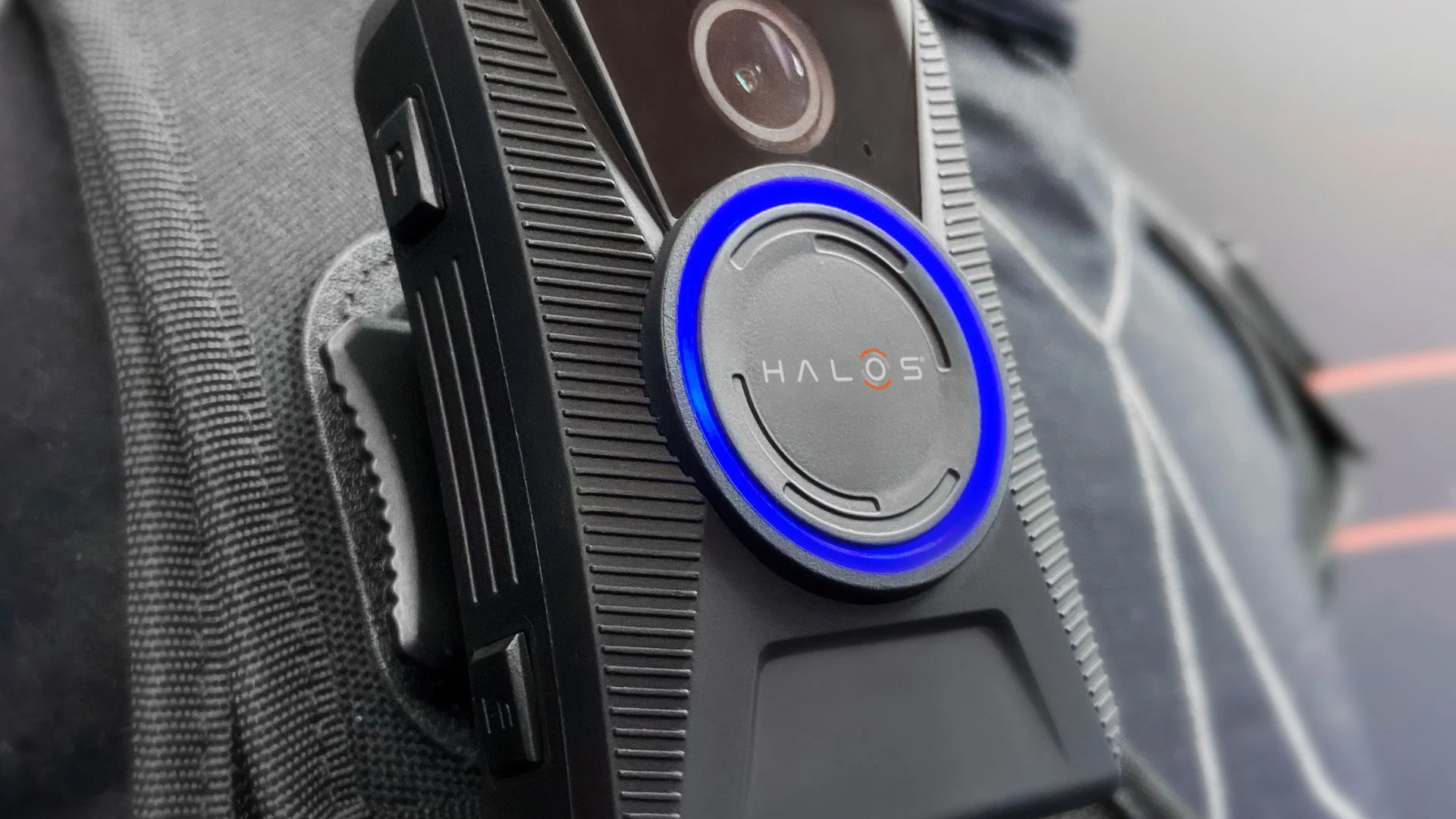

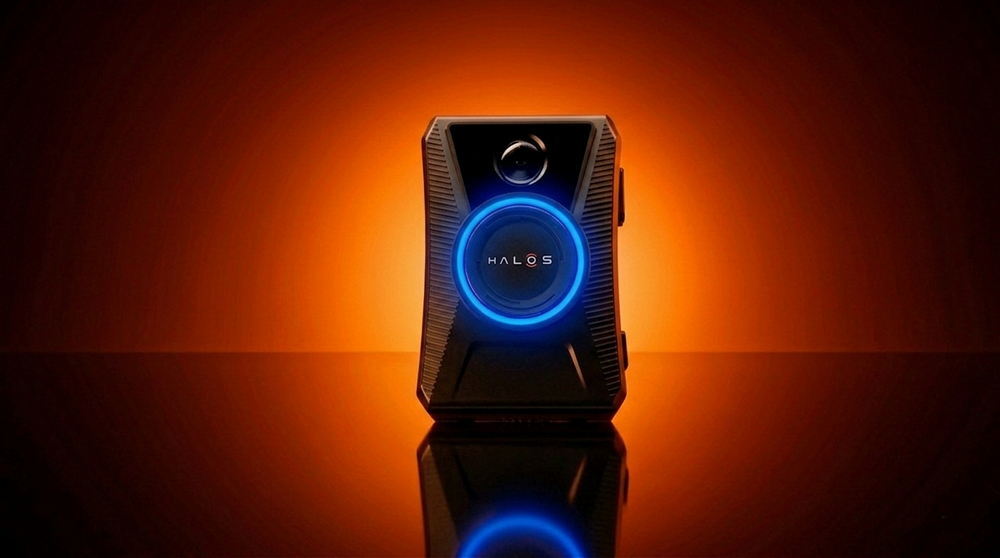
Security operations today are more visible, more scrutinized, and more documentation-driven than ever before. Whether you manage contract guards, in-house corporate security, retail loss prevention, or event teams, one thing is consistent: the quality of your evidence shapes outcomes.
As a result, many organizations are evaluating the best 4K body cameras 2026 options not simply for image quality, but for operational reliability. The conversation has shifted from “Do we need body cameras?” to “Are we using the right resolution for the environments we operate in?”
If you are evaluating an upgrade, remember that clear footage supports investigations, protects teams against false claims, and helps leadership resolve disputes quickly, while poor footage does the opposite. In a modern security environment, evidence clarity is no longer optional.
TL;DR
- A 4K body camera improves operational clarity by capturing details that often get lost in 1080p footage.
- The biggest advantage is reviewing usability, since supervisors can zoom and crop without losing evidence of quality.
- 4K impacts storage and retention planning, so workflows must be evaluated before scaling deployment.
- Night performance depends on sensor quality and IR, not resolution alone, so field testing matters.
- 4K delivers results only when policies, training, and evidence handling are consistent and defensible.
What 4K changes vs 1080p: Practical Differences
A proper 4K vs 1080p body camera comparison goes beyond pixel count. The operational difference is in what you can prove.
Detail that stands up to review
The benefits of 4K resolution in body cameras show up when reviewing small but critical details:
- Facial features during brief interactions
- Hand movements during confrontations
- License plates at distance
- Objects removed from shelves or bags
In 1080p, zooming often reduces clarity. With 4K, supervisors can crop and zoom without immediately losing usability.
Storage and workflow implications
Higher resolution does mean larger file sizes. Leaders frequently ask: How much storage does 4K body camera footage use?
The answer depends on bitrate, compression, and recording duration, but generally 4K files are significantly larger than 1080p. That is why 4K body camera storage options must be evaluated carefully:
- On-device encrypted storage
- Dock-based offloading systems
- 4K body camera with cloud storage workflows
- Hybrid storage models
Resolution alone should not dictate your decision. Storage architecture matters just as much.
Low-light realities
Many teams prioritize a 4K body camera with night vision, especially for parking structures, campuses, construction sites, and perimeter patrols. However, 4K does not automatically guarantee better low-light performance. Sensor quality, infrared capability, and image processing are critical.
If night shifts are common, evaluate footage in real conditions before purchasing.
Pro Tip: Test 4K vs 1080p side-by-side in your actual low-light, high-motion environments, then confirm storage impact using one full shift of real footage before you buy at scale.
Key Operational Benefits of Using a 4K Body Camera in Modern Security Operations
Upgrading to a 4K body camera should not be viewed as a technology refresh. It is an operational decision. The real value shows up in how clearly incidents are documented, how quickly disputes are resolved, and how confidently leadership can stand behind recorded evidence. When resolution improves, everyday workflows improve with it. Below are the key operational benefits that make 4K a practical upgrade for modern security teams.
Better incident documentation & evidence integrity
A 4K body camera captures small visual cues that are often missed in lower resolutions, preserves clarity when footage is zoomed or shared for review, and ultimately supports stronger, more accurate incident reporting that holds up under internal and external scrutiny.
This added visual precision can reduce ambiguity during investigations and minimize disputes over what actually occurred.
De-escalation and accountability
Visible recording often encourages calmer behavior. Clear footage can resolve complaints faster because interactions are easier to interpret accurately.
Faster investigations and improved reporting
Higher clarity can reduce review time, as supervisors spend less time debating what happened and more time deciding what action to take. It also improves the accuracy of written reports because key moments can be confirmed quickly instead of reconstructed from memory or partial footage.
Training and performance improvement
Clear footage is more effective for coaching, as teams can review positioning, communication tone, and spacing during incidents. It also allows supervisors to identify patterns over time and reinforce consistent, policy-aligned behavior across the team.
Reduced liability and compliance support
When disputes arise, high-resolution evidence can reduce prolonged internal investigations and external claims.
For organizations researching 4K body camera reviews, look beyond image samples. Focus on workflow, evidence handling, and real operational testing.
What to look for in a 4K body camera
If you are asking What to look for in a 4K body camera, focus on operational reliability rather than marketing claims.
| Category | What to Look For | Why It Matters |
|---|---|---|
| Video | Balanced field of view, strong stabilization | Captures the full scene clearly during movement |
| Low light | Good sensor + reliable IR night vision | Keeps footage usable on night shifts |
| Audio | Clear voice pickup + noise/wind handling | Prevents “can’t hear it” evidence issues |
| Battery | Full-shift runtime + hot-swap option | Avoids shutdowns mid-incident |
| Controls | One-touch record, pre-event buffer, tagging | Faster activation and faster review later |
| Security | Encryption, audit logs, chain of custody | Protects evidence integrity and access |
| GPS | Location tracking (if needed) | Aligns footage with dispatch timelines |
| Storage | On-device, dock, or cloud workflow | Makes retention and retrieval manageable |
| Durability | IP rating, drop resistance, secure mount | Survives real field use and stays stable |
Deployment Considerations for Implementing 4K Body Cameras
Upgrading to 4K is not just a hardware decision; it is an operational rollout. Before scaling deployment, security leaders should evaluate storage impact, policy alignment, privacy considerations, and training requirements to ensure the technology strengthens workflows rather than complicating them.
Estimating storage impact
You do not need exact numbers to model storage impact. Use a simple framework:
- Average recording hours per officer per shift
- Number of officers equipped
- Estimated file size multiplier compared to 1080p
Multiply those factors across weekly or monthly retention requirements. This provides a directional view of infrastructure needs.
Privacy and policy basics
Before deployment:
- Update your recording policy
- Define when recording is mandatory or discretionary
- Post appropriate signage where required
- Clarify consent requirements where applicable
This article does not provide legal advice. Consult legal counsel to ensure compliance with applicable local laws and regulations.
Training and SOP alignment
Resolution does not fix inconsistent usage. Teams need:
- Clear activation guidelines
- Report alignment procedures
- Supervisor review protocols
- Secure upload and tagging workflows
Without consistent SOPs, even the best 4K body cameras will underperform.
Pro Tip: Run a two-week pilot and audit storage growth, policy compliance, and tagging accuracy before scaling deployment.
Wrapping It Up!
A 4K body camera is not about sharper video for its own sake. It is about operational clarity. Higher resolution can strengthen evidence of integrity, and cropping or zooming becomes far more usable during investigations when you need to confirm small but critical details.
At the same time, 4K only delivers value when the supporting decisions are right. Storage planning must be addressed early, and low-light performance and battery life matter as much as resolution. Most importantly, policies and training determine real-world success because consistent usage and defensible handling are what make footage credible.
If you are evaluating upgrades, start by identifying your current evidence gaps and run a controlled pilot with a small team. Test performance in real environments, then review storage impact and reporting workflow before scaling.
If you want to see what a 4K-ready, evidence-focused workflow looks like in practice, book a Halos demo and evaluate whether it fits your operations.
Frequently Asked Questions
Is a 4K body camera really better than 1080p for security teams?
Yes, 4K can be a meaningful upgrade because it improves the ability to zoom and crop footage while keeping details usable for reviews, investigations, and incident documentation. The real benefit is clearer proof, not just sharper video.
How much storage does 4K body camera footage use?
4K footage typically uses significantly more storage than 1080p, but the actual impact depends on recording time, compression, and video settings. A practical approach is to test one full shift of real footage and use that as a baseline for retention planning.
Does 4K automatically mean better night vision performance?
No. Low-light performance depends more on sensor quality, infrared capability, and image processing than resolution alone. If night shifts are common, test footage in your real low-light environments before deploying widely.
What should security teams look for in a 4K body camera?
Focus on operational reliability: strong stabilization, usable low-light performance, clear audio, full-shift battery life, easy recording controls, encryption, audit logs, chain-of-custody tracking, and a storage workflow that supports your retention requirements.