
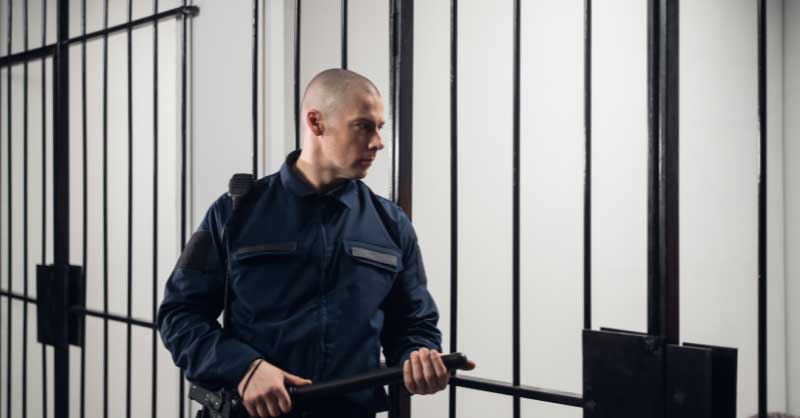
In correctional facilities, decisions are often made in moments where there is no time to replay what just happened.
A brief interaction can later become multiple versions of the same story. And when that happens, clarity becomes difficult to restore.
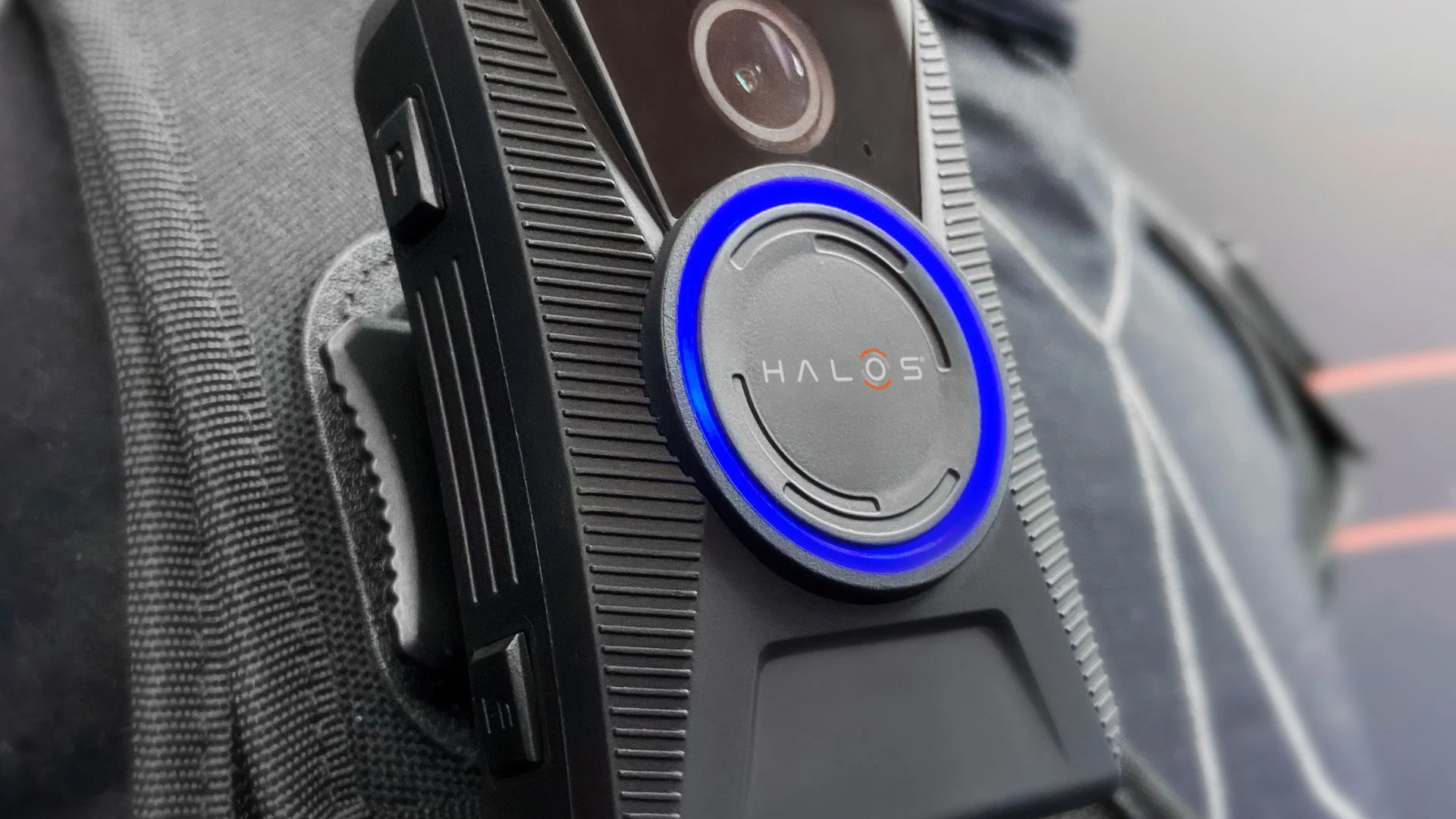
In such critical situations, having body worn cameras can bring a layer of certainty that is otherwise missing. They do not rely on memory or interpretation after the fact. Instead, they capture events as they unfold, helping teams understand context, verify actions, and respond with greater confidence when it matters most.
This shift matters most in environments where pressure is constant and stakes are high.
When there is visible, time-stamped context available, decisions do not get trapped in debate. They move forward with fewer assumptions and less second-guessing.
It also changes how incidents are handled internally. Reviews become faster. Disputes are resolved with clearer reference points. And teams spend less time reconstructing events from fragmented accounts.
Over time, this builds something more subtle but important. A sense that actions are not just observed, but understood in full context.
TL; DR
- Body worn cameras improve safety by influencing behaviour in real time and helping incidents de-escalate earlier.
- They strengthen accountability by creating a clear, unbiased record of interactions that can be reviewed when needed.
- Operational workflows become faster as reporting, evidence handling, and system integration reduce manual effort.
- Long-term costs reduce through fewer disputes, lower legal exposure, and more efficient use of staff time and resources.
- The biggest shift is not just visibility, but confidence in decision-making backed by verified information.
1. Enhanced Safety for Officers and Inmates
Safety in correctional facilities is shaped by how effectively everyday interactions are managed under pressure. Even routine situations can escalate quickly, making control and clarity essential.
- Deterrent Effect: The presence of body cams often deters aggressive behavior from both inmates and staff. Knowing that actions are being recorded encourages better behavior and de-escalates potentially volatile situations.
- Quick Response to Incidents: When incidents do occur, the real-time footage from body cams allows for rapid assessment and response. This quick action can prevent situations from escalating and ensure that appropriate measures are taken promptly.
- Evidence for Investigations: In cases of alleged misconduct or violence, body cam footage provides objective evidence for internal investigations, helping to resolve disputes fairly and efficiently.
By creating a safer environment, body cams contribute to reduced stress levels for staff and a more stable atmosphere for rehabilitation efforts.
2. Improved Accountability and Transparency
In correctional environments, accountability is not just about oversight. It is about being able to clearly stand behind every action when questions arise later. Without a reliable reference, even routine interactions can become contested.
- Objective Documentation: Body cams provide an unbiased record of interactions between officers and inmates, reducing reliance on subjective accounts.
- Training Tool: Footage from body cams serves as an excellent resource for training new officers, demonstrating both best practices and areas for improvement.
- Public Trust: In an era where public scrutiny of correctional facilities is high, body cams demonstrate a commitment to transparency and ethical operations.
This increased accountability helps maintain high standards of professionalism and can significantly reduce the number of complaints and lawsuits against the facility.
3. Streamlined Operations and Reporting
Operational efficiency in correctional facilities often depends on how quickly information from incidents can be captured, verified, and converted into usable records. Delays or inconsistencies in this process can slow down decision-making across the system. Body cams are proving to be valuable tools for improving operational efficiency:
- Accurate Incident Reports: Officers can review footage to ensure their reports are accurate and complete, saving time and reducing errors.
- Digital Evidence Management: All-in-one security solutions, like those offered by HALOS, come with robust software for easy cataloging, retrieval, and management of footage.
- Integration with Existing Systems: Many body cam solutions can integrate with other facility management systems, creating a more cohesive and efficient operational infrastructure.
When these processes are consolidated and accelerated, correctional facilities can allocate more resources to critical areas like rehabilitation programs and staff training.
Pro Tip: The real efficiency gain does not come from recording footage, but from how well it is tagged, indexed, and linked to incident reports. Without structured organisation, even the best footage loses operational value.
4. Cost Savings in the Long Run
In correctional facilities, cost is not only about procurement. It is shaped by how efficiently incidents are resolved, how often disputes escalate, and how much time is spent on repeat processes that could have been streamlined.
- Reduced Litigation Costs: Clear video evidence often leads to quicker resolution of disputes and can deter frivolous lawsuits, potentially saving millions in legal fees.
- Improved Resource Allocation: With better documentation and faster processes, facilities can optimize staff deployment and resource utilization.
- Lower Insurance Premiums: Some insurance providers offer reduced premiums for correctional facilities that implement body cam programs, recognizing the reduced risk.
These long-term savings can offset the initial costs and provide ongoing financial benefits to the facility.
Where Hidden Costs Actually Come From
|
Cost Driver |
What It Looks Like in Reality |
Impact Without Body Cams |
|
Incident Escalation |
Conflicting accounts after events |
Longer investigations, repeated reviews |
|
Dispute Resolution Delays |
Lack of clear evidence |
Higher legal and admin effort |
|
Reporting Inefficiency |
Manual reconstruction of events |
More staff hours spent on documentation |
|
Resource Drain |
Time lost in clarification loops |
Less time for rehabilitation and operations |
Conclusion
Correctional environments demand decisions that are fast, accurate, and defensible. In such settings, even small gaps in clarity can create larger operational and legal challenges.
Body worn cameras help close those gaps. They bring consistency to how incidents are understood, reduce reliance on conflicting accounts, and support more structured decision-making across the facility. Over time, this creates a more stable, transparent, and efficient operating environment.
HALOS enables correctional facilities to take this further with an integrated body worn camera and security management system. From capturing incidents to managing and retrieving evidence, it brings structure to processes that are often fragmented.
If the goal is to improve safety, accountability, and operational control in a practical and scalable way, HALOS provides the framework to make that transition more effective.
FAQs
1. What are body worn cameras used for in correctional facilities?
Body worn cameras are used to record interactions between officers and inmates, providing a clear reference for incidents, investigations, and operational reviews. They help ensure actions are documented as they happen.
2. How do body worn cameras improve safety inside facilities?
They improve safety by encouraging more controlled behaviour and helping de-escalate situations early. Recorded visibility also supports faster response when incidents occur.
3. Do body worn cameras reduce disputes and complaints?
Yes. Since interactions are recorded objectively, there is less reliance on conflicting accounts. This helps resolve disputes faster and reduces the likelihood of prolonged complaints or legal escalation.
4. Can body cam footage be used for training staff?
Yes. Real incident footage is often used to train new officers, helping them understand real-world scenarios, identify best practices, and improve decision-making under pressure.
5. How do body worn cameras impact operational efficiency?
They streamline reporting, reduce manual documentation work, and simplify evidence management. This allows staff to spend less time on administrative tasks and more time on core responsibilities.